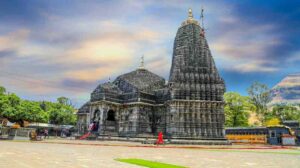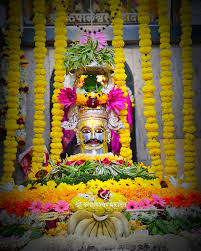
Kushavarta Kund is one of the most revered and spiritually powerful pilgrimage sites in Trimbakeshwar, near Nashik, Maharashtra. Known as the symbolic birthplace of the holy Godavari River, this ancient stone water tank carries deep mythological, historical, and cultural significance in Hindu tradition.
For centuries, millions of devotees have traveled to this sacred kund to take a holy dip, perform rituals, and seek blessings for spiritual purification, ancestral peace, and moksha. More than just a water body, Kushavarta Kund represents faith, devotion, and divine connection between Lord Shiva and the sacred river Godavari.

🕉️ What Is Kushavarta Kund?
Kushavarta Kund is a traditional sacred water tank (kund) located just a few steps away from the Trimbakeshwar Jyotirlinga Temple. It is considered the spiritual origin point of the Godavari River, also known as Dakshin Ganga (Ganga of the South).
According to Hindu belief, bathing here washes away sins, purifies the soul, and brings spiritual liberation. Many pilgrims first take a holy dip in this kund before proceeding for darshan at the Trimbakeshwar Jyotirlinga.
📜 Mythological Story Behind Kushavarta Kund
The divine legend of Kushavarta Kund is deeply connected with Sage Gautam Rishi and Lord Shiva.
🐄 The Story of Gautam Rishi
According to ancient scriptures:
- Sage Gautam Rishi lived near the Brahmagiri Hills with his wife Ahalya.
- Once, during a severe drought, he used his spiritual powers to grow crops and feed villagers.
- Jealous sages falsely accused him of killing a sacred cow (Gaumata).
- To remove this sin, Gautam Rishi prayed intensely to Lord Shiva.
Pleased by his devotion, Lord Shiva released the sacred Godavari from the Brahmagiri Mountains. To control the divine water flow, Gautam Rishi used Kusha grass, forming a circular sacred tank — hence the name Kusha-Avarta → Kushavarta.
This sacred kund became the spiritual source of the Godavari River.
🏛️ Architectural Beauty of Kushavarta Kund
Kushavarta Kund is not just spiritually important but also architecturally magnificent.
🧱 Key Architectural Features
- Built around 1750 AD
- Approximately 21 feet deep
- Hexagonal (six-sided) stone structure
- Surrounded by wide stone steps for pilgrims
- Continuous natural water flow
- Designed for mass bathing during festivals
🛕 Shrines Around the Kund
Each corner of the kund has a sacred temple, making it a powerful spiritual complex:
- 🕉️ Kedareshwar Mahadev Temple
- 🐘 Sakshi Vinayak Temple (Lord Ganesha)
- 🌊 Goddess Godavari Temple
- 🔱 Kusheshwar Mahadev Temple
These temples together create a divine spiritual atmosphere.
🌿 Religious Importance of Kushavarta Kund
Kushavarta Kund plays a central role in Hindu rituals and pilgrimages.
🕊️ Key Spiritual Beliefs
Devotees believe that:
- Bathing here removes past sins
- Ancestors receive peace (Pitru Shanti)
- It helps in attaining moksha
- Brings mental peace and spiritual clarity
Many pilgrims complete their spiritual journey only after taking a dip here.
🕉️ Kushavarta Kund & Kumbh Mela
Kushavarta Kund becomes a major spiritual hub during the Simhastha Kumbh Mela, held every 12 years in Nashik.
During this period:
- Millions of devotees gather here
- Saints, sadhus, and spiritual gurus take holy baths
- Grand religious processions occur
- Vedic rituals are performed daily
It is considered one of the most sacred bathing spots in India.
🧭 How to Reach Kushavarta Kund
🚗 By Road
- Nashik to Trimbakeshwar: 28–30 km
- Well-connected via state highways
🚆 By Train
- Nearest Railway Station: Nashik Road (40 km)
✈️ By Air
- Nearest Airport: Ozar Airport (24 km)
🚶 Walking Distance
- Only 300–500 meters from Trimbakeshwar Temple
🌅 Best Time to Visit Kushavarta Kund
The ideal months to visit are:
- 🌧️ Monsoon (June–September) – lush greenery
- ❄️ Winter (October–February) – pleasant weather
- 🕉️ Shravan Month – highly auspicious
- 🔱 Mahashivratri – grand celebrations
- 🛕 Kumbh Mela years – spiritually vibrant
Early morning visits are recommended for peaceful darshan.
🌊 A Spiritual Experience at Kushavarta Kund
A visit to Kushavarta Kund is not just a stop on a pilgrimage—it is an immersive spiritual experience that touches the senses, stills the mind, and uplifts the soul. Every moment spent here feels guided by devotion, tradition, and divine presence.
🕉️ Chanting of Sacred Mantras
As you approach the kund, the air resonates with Vedic mantras and Shiva stotras softly chanted by priests and devotees. These rhythmic sounds create powerful vibrations believed to cleanse negative thoughts, calm the nervous system, and align the mind with higher awareness. Even silent listening feels like meditation.
🔔 Temple Bells Ringing
The gentle yet resonant sound of temple bells echoes through the surroundings, symbolizing the awakening of inner consciousness. Each ring is said to dispel distractions and invite divine attention, helping devotees shift from worldly concerns to sacred focus.
📿 Priests Performing Traditional Rituals
Along the kund, experienced priests conduct ancestral rites, shanti pujas, and sacred offerings following age-old Vedic traditions. Watching these rituals evokes reverence and reminds pilgrims of the timeless continuity of faith, discipline, and spiritual responsibility.
🪔 Floating Lamps on Sacred Waters
As dusk approaches, devotees release oil lamps (deepas) into the water. The sight of glowing lamps gently floating on the calm surface is deeply moving—symbolizing prayers, gratitude, and the surrender of burdens to the divine. It is a moment of quiet hope and devotion.
🌿 Deep Spiritual Calm and Inner Stillness
Perhaps the most profound offering of Kushavarta Kund is the silence within. Amid chants, bells, and rituals, the mind gradually slows, emotions soften, and a deep sense of peace emerges. Many pilgrims describe a feeling of lightness, clarity, and spiritual reassurance that stays with them long after they leave.
✨ A Moment That Stays with You
Whether you come seeking purification, ancestral blessings, or simple inner peace, Kushavarta Kund offers an experience that goes beyond ritual. It gently reminds every visitor that true spirituality is felt—not explained.
The atmosphere blends devotion, faith, and divine energy.
🛕 Nearby Sacred Places to Visit
While in Trimbakeshwar, you can explore:
- 🔱 Trimbakeshwar Jyotirlinga Temple
- 🌄 Brahmagiri Hill (source of Godavari)
- 🌊 Gangadwar (first visible stream of Godavari)
- 🐒 Anjaneri Hill (birthplace of Lord Hanuman)
- 🧘 Gautam Rishi Ashram
These sites together form a complete spiritual circuit.
📌 Travel Tips for Visitors
✔ Wear Modest and Respectful Clothing
Visitors should wear simple, traditional, and modest attire that reflects reverence for the sacred environment. Men are advised to wear full-length trousers or dhoti, while women should opt for sarees, salwar suits, or long dresses. Avoid wearing shorts, sleeveless tops, or revealing clothes inside the temple premises.
✔ Carry Extra Clothes if You Plan to Bathe
If you intend to take a ritual bath in the kund, it is advisable to carry a fresh set of clothes. After bathing, changing into clean attire is considered spiritually auspicious and also helps maintain hygiene within the temple surroundings.
✔ Avoid Using Soap, Shampoo, or Chemicals
The kund is a sacred water body, not a bathing ghat for routine use. Pilgrims must not use soap, shampoo, oils, or any chemical products in the water. This preserves the purity of the kund and shows respect for its religious and environmental importance.
✔ Visit Early Morning for a Peaceful Experience
Early morning hours, especially during Brahma Muhurta, are ideal for visiting. The atmosphere is calm, crowds are smaller, and the spiritual energy feels more intense. Morning visits also allow devotees to complete rituals without rush or disturbance.
✔ Respect Temple Rules and Local Traditions
Follow all instructions given by temple authorities and priests. Maintain silence where required, avoid photography in restricted areas, and stand patiently in queues. Respecting local customs ensures harmony and allows everyone to experience the sacredness of the place.
🌿 Additional Tips for Pilgrims
- Keep footwear only in designated areas
- Avoid littering or throwing offerings into the water
- Refrain from loud conversations or mobile phone use
- Offer prayers with humility and gratitude
Following these simple guidelines helps preserve the spiritual purity, environmental balance, and timeless sanctity of the holy place, ensuring that future generations can also experience its divine presence.
🕯️ Why Kushavarta Kund Is Special
Kushavarta Kund is not just a water tank — it is a sacred gateway to spiritual purification. It connects mythology, devotion, and divine blessings in one holy place.
It represents:
- Birthplace of Godavari
- Blessings of Lord Shiva
- Penance of Gautam Rishi
- Gateway to moksha
🌸 Birthplace of the Sacred Godavari River
Kushavarta Kund is revered as the origin of the holy Godavari River, often called the Dakshin Ganga. According to sacred belief, the river emerges here after being invoked by divine intervention. As one of India’s most sacred rivers, the Godavari symbolizes life, nourishment, and spiritual purification, making this kund an eternal source of sanctity.
Pilgrims believe that water from Kushavarta carries the same purifying power as the river itself, making rituals and ablutions here especially auspicious.
🔱 Blessings of Lord Shiva
Kushavarta Kund is inseparably connected to Lord Trimbakeshwar (Shiva). It is believed that Shiva’s presence sanctified this place, turning it into a reservoir of divine energy. Devotees perform prayers here seeking protection, healing, and inner strength, believing that Shiva’s blessings flow through the sacred waters.
Many pilgrims visit the kund before or after darshan at the Jyotirlinga, completing their spiritual journey in wholeness.
🧘 Penance of Gautam Rishi
According to legend, Gautam Rishi performed intense penance at this very spot to bring the sacred river to earth for the welfare of humanity. His devotion and austerity moved the divine forces, making Kushavarta Kund a symbol of selfless tapasya and spiritual discipline.
This story inspires devotees to reflect on patience, surrender, and faith, reminding them that sincere effort always receives divine response.
✨ Gateway to Moksha (Liberation)
Kushavarta Kund is considered a threshold between the material and spiritual realms. Rituals performed here—especially ancestral rites, prayers, and meditation—are believed to assist in liberation from karmic cycles. For many, this place represents the hope of moksha, where the soul finds peace beyond worldly attachments.
🌿 A Once-in-a-Lifetime Experience for Pilgrims
For pilgrims, visiting Kushavarta Kund is not just a ritual—it is a transformational spiritual experience. Standing by its sacred waters, one feels a deep sense of silence, surrender, and timelessness. Many devotees describe a profound inner calm and emotional release after visiting this holy place.
Whether one comes seeking purification, blessings, ancestral peace, or spiritual awakening, Kushavarta Kund leaves a lasting imprint on the heart and soul.
For pilgrims, this is a once-in-a-lifetime spiritual experience.
❓ Frequently Asked Questions (FAQ) — Kushavarta Kund, Trimbakeshwar
Q1: Why is Kushavarta Kund sacred?
Kushavarta Kund is considered one of the holiest water bodies in Hinduism because it is believed to be the spiritual origin of the Godavari River, also known as Dakshin Ganga (Ganga of the South).
According to ancient scriptures, Sage Gautam Rishi performed intense penance here to seek forgiveness for an unintentional sin. Pleased with his devotion, Lord Shiva released the sacred Godavari from the Brahmagiri Hills. Gautam Rishi used Kusha grass to shape and control the flow of water, forming this divine kund — which is why it is called Kushavarta.
Devotees believe that:
- Bathing here cleanses past sins (paap karmas).
- It purifies the soul and mind.
- It removes ancestral curses (Pitru Dosh).
- It helps in attaining spiritual liberation (moksha).
For this reason, Kushavarta Kund is not just a physical water tank but a sacred gateway to spiritual renewal and divine blessings.
Q2: Can anyone bathe in Kushavarta Kund?
Yes — any devotee is allowed to take a holy dip in Kushavarta Kund, regardless of caste, gender, or background, as long as they follow temple traditions and rules.
However, visitors are expected to:
- Dress modestly (traditional or decent clothing recommended).
- Maintain silence and respect inside the premises.
- Avoid polluting the water (no soap, shampoo, or chemicals).
- Follow priest instructions if participating in rituals.
Many pilgrims take a bath here before visiting the Trimbakeshwar Jyotirlinga Temple, as it is considered spiritually necessary for complete purification.
Q3: Is it safe to bathe in Kushavarta Kund?
Bathing is generally safe, but visitors should exercise caution due to:
- The depth of the kund (about 21 feet in some areas).
- Slippery stone steps, especially during monsoon.
- Heavy crowding during festivals like Shravan, Mahashivratri, and Kumbh Mela.
Safety tips for bathing:
- Do not enter alone if you are not a strong swimmer.
- Hold onto railings or step carefully.
- Avoid pushing in crowded situations.
- Prefer early morning hours when crowds are lighter.
If you are uncomfortable entering the water, you can still pour sacred water over your head while standing on the steps — which is also considered spiritually beneficial.
Q4: What rituals are performed at Kushavarta Kund?
Kushavarta Kund is a major site for Hindu ancestral and purification rituals. The most common ceremonies include:
🔹 Pind Daan — offering rice balls to departed ancestors for peace of soul.
🔹 Shraddha Rituals — performed to honor deceased family members.
🔹 Pitru Tarpan — prayers and water offerings for ancestors.
🔹 Narayan Nagbali Puja — performed nearby in Trimbakeshwar to remove ancestral curses.
🔹 Kaal Sarp Dosh Puja — many devotees begin this ritual with a holy dip here.
Priests (purohits) sit near the kund and guide families through proper Vedic procedures. Many believe that rituals performed here carry greater spiritual power because of the divine origin of the Godavari.
Q5: When is the best time to visit Kushavarta Kund?
The best time to visit depends on your purpose:
🕉️ For spiritual bathing and rituals:
- Early morning (5:00–7:00 AM) — peaceful, fewer crowds, sacred atmosphere.
🌿 Best seasons to visit:
- Monsoon (June–September) — cool weather, flowing water, green surroundings.
- Winter (October–February) — pleasant climate for travel and temple visits.
🎉 Most auspicious periods:
- Shravan month (July–August) — dedicated to Lord Shiva, highly sacred time.
- Mahashivratri — grand celebrations and rituals.
- Kumbh Mela (every 12 years) — millions of devotees gather for holy dip.
If you want a quiet experience, avoid peak festival days.
🌸 Conclusion
Kushavarta Kund is far more than a historic water tank — it is a living symbol of India’s ancient spiritual heritage, devotion, and divine connection between humanity and the sacred. For centuries, this holy kund has stood as a witness to faith, penance, and the eternal flow of the Godavari, carrying with it the prayers of millions of devotees.
This sacred site represents the perfect harmony between mythology, spirituality, nature, and tradition. The story of Sage Gautam Rishi, the blessings of Lord Shiva, and the divine birth of the Godavari all merge here into a powerful spiritual experience that transcends time.
When pilgrims step into the cool waters of Kushavarta Kund, they are not merely bathing — they are symbolically washing away past burdens, cleansing their soul, and renewing their spiritual purpose. The chanting of mantras, the ringing of temple bells, the fragrance of incense, and the flowing water together create an atmosphere that deeply touches the heart and mind.
For those performing Pind Daan, Shraddha, or Pitru Tarpan, Kushavarta Kund offers not only a ritual space but also emotional healing — a way to connect with ancestors and seek their blessings for peace and harmony in life.
During auspicious occasions like Shravan, Mahashivratri, and the Kumbh Mela, the kund transforms into a vast ocean of devotion where millions unite in faith. In these moments, Kushavarta Kund truly becomes a bridge between the mortal world and the divine.
A visit here is therefore not just a pilgrimage — it is a spiritual awakening, a journey of self-reflection, and a reminder of humanity’s deep connection with nature and the divine.
Whether you come seeking blessings, inner peace, or cultural understanding, Kushavarta Kund leaves a lasting impression on your soul — one that stays with you long after you depart.
In essence, Kushavarta Kund is:
✨ A birthplace of a sacred river
✨ A gateway to moksha
✨ A center of ancestral blessings
✨ A timeless shrine of faith
✨ A spiritual heartbeat of Trimbakeshwar
To truly understand Hindu spirituality, devotion, and sacred tradition — one must experience Kushavarta Kund.