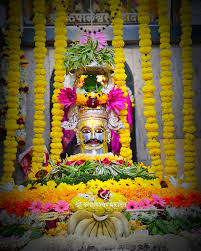
Nestled in the historic region of Panchavati, Nashik, along the sacred Godavari River, Kapaleshwar Mahadev Mandir is one of the most revered temples dedicated to Lord Shiva in Western India.
What makes this temple truly unique is the absence of Nandi, Shiva’s bull, which is present in almost every other Shiva shrine. This rare feature is deeply symbolic, rooted in mythological narratives and theological reasoning, making the temple a fascinating spiritual and cultural destination.
In this guide, we explore everything about the temple — from its legend and historical significance, to architecture, rituals, festivals, and practical visiting tips, along with FAQs to help pilgrims and travelers plan their visit effectively.
1️⃣ Legend & Mythology: Why There Is No Nandi
Kapaleshwar Mahadev Mandir is not just a temple; it is a living testament to Hindu mythology and spiritual symbolism.
🔹 The Story Behind the Absence of Nandi
According to local lore:
- Lord Shiva, after inadvertently committing the sin of Brahmahatya (killing a Brahmin or cow), sought penance and traveled across the universe.
- He reached Panchavati, near Ramkund on the banks of the Godavari River.
- There, a cow and her calf — who was the reborn Nandi — revealed to Shiva that he could purify himself through rituals and meditation.
- Following this guidance, Shiva bathed in Ramkund, washed away his sin, and meditated at the present site of the temple.
Theological Significance:
- Nandi is revered here as a guru rather than just Shiva’s mount or guardian.
- Out of respect, the temple deliberately does not place a Nandi statue in front of the Shivling.
- This makes Kapaleshwar Mahadev Mandir unique among Shiva temples, emphasizing spiritual purity, guidance, and introspection.
2️⃣ Historical Background
Kapaleshwar Mahadev Mandir has a rich historical lineage that spans centuries:
- Early references date back several hundred years, showing its significance as a pilgrimage hub in Western India.
- The temple underwent renovations and maintenance under local Maratha rulers and the community, preserving its traditional architecture.
- The site has remained a center of spiritual learning, meditation, and ritual, retaining its authenticity despite modernization.
Architectural Highlights:
- Constructed in traditional Hindu temple style with stone carvings and sanctums.
- The temple precincts are designed for peaceful meditation and worship, overlooking the Godavari River.
- Decorative motifs often depict episodes from Shiva mythology, including Nandi’s story and Panchavati legends.
3️⃣ Spiritual Significance
Kapaleshwar Mahadev Mandir is a highly revered pilgrimage site, and devotees attribute several spiritual benefits to visiting the temple:
- Cleansing of sins through prayers and Shivling worship.
- Connection to divine energy, particularly because of its proximity to Ramkund, which is linked to purification rituals.
- Enhanced spiritual insight and inner peace from meditation in the serene temple atmosphere.
- Increased devotion and fulfillment during Mahashivratri and Shravan month Mondays.
Tip for Pilgrims:
- Early morning visits allow a serene experience, while evening aarti offers a divine devotional atmosphere.
- Perform rituals near Ramkund for maximum spiritual benefit.
4️⃣ Festivals & Rituals
Kapaleshwar Mahadev Mandir comes alive during festivals and special observances:
🔹 Mahashivratri
- Celebrated with special poojas, night-long vigil, and cultural processions.
- Pilgrims gather from across Maharashtra and other states to participate in aarti and Rudrabhishekam.
🔹 Shravan Somvar (Mondays of Shravan Month)
- Mondays during the holy month of Shravan are considered highly auspicious for Lord Shiva worship.
- Devotees observe fasting, special prayers, and abhishekam rituals.
🔹 Other Rituals
- Daily worship includes Shivling abhishekam, chanting of mantras, and aarti.
- Community gatherings often involve palki yatras, cultural programs, and charity events.
Cultural Tip: Visiting during festivals provides a unique insight into traditional Maharashtrian spiritual practices and temple rituals.
5️⃣ Architecture & Temple Layout
The temple’s architecture reflects ancient Hindu design principles:
- Sanctum (Garbhagriha): Houses the main Shivling without Nandi
- Mandapam (Prayer Hall): Allows devotees to participate in group prayers
- Outer Courtyard: Ideal for meditation and observing festivals
- Stone Carvings: Depict episodes from Shiva mythology and Panchavati legends
- Proximity to Ramkund: Enhances the spiritual experience and connects devotees to purification rituals
6️⃣ Visiting Guide
📍 Location
Kapaleshwar Mahadev Mandir, Panchavati, Nashik, Maharashtra 422003
- Near Ramkund, walking distance from other major pilgrimage points
⏱️ Timings
- Open daily from 6:00 AM to 11:00 PM (may vary slightly during festivals)
💡 Tips for Visitors
- Arrive early to avoid crowds and experience serene morning rituals
- Visit during Mahashivratri or Shravan Mondays for cultural and spiritual vibrancy
- Combine with nearby Ramkund, Narayan Temple, and Panchavati ghats for a full pilgrimage experience
- Dress modestly and maintain decorum in the temple premises
7️⃣ Cultural & Local Experience
- The temple precincts host processions, palki yatras, and community gatherings during festivals
- Local devotees often share mythological stories and legends about the temple
- The serene environment provides opportunities for meditation, yoga, and reflection
- Visitors can witness traditional music, dance, and temple rituals, enhancing cultural immersion
8️⃣ Food & Nearby Amenities
- Local eateries near Panchavati offer Maharashtrian cuisine, snacks like Misal Pav, Pithla-Bhakri, and sweet grape-based desserts
- Small cafes serve refreshments and prasadam during festivals
- Overnight stays available in guesthouses or vineyard resorts nearby Nashik
9️⃣ Travel & Accessibility
- By Road: 4–5 hours from Mumbai via NH160
- By Train: Nashik Road station connects to major cities
- By Air: Ozar Airport is 25 km away, with limited flights
- Local Transport: Auto-rickshaws, taxis, and guided tours are convenient
Tip: Hire a local guide to understand the temple’s history, myths, and rituals better.
10️⃣ Nearby Spiritual Destinations
- Ramkund: Sacred bathing ghat with ritual significance
- Kalaram Temple: Black stone temple dedicated to Lord Rama
- Someshwar Mahadev Mandir: Peaceful Shiva shrine along Godavari
- Sita Gufa: Cave associated with Sita Mata during exile
Tip: A day trip covering all Panchavati sites enhances the mythological and spiritual experience.
11️⃣ Why Kapaleshwar Mahadev Mandir Matters
- Devotion rooted in myth and tradition
- Unique theological symbolism (absence of Nandi)
- Cultural continuity through centuries of community-led upkeep
- Spiritual purification and divine wisdom for visitors
Visiting the temple is not only a pilgrimage but a journey into Indian spirituality, mythology, and cultural heritage.
12️⃣ Practical Tips for Visitors
- Carry water and light snacks for long pilgrimages
- Wear modest clothing suitable for temple visits
- Avoid photography inside sanctum unless permitted
- Respect local customs during rituals and festivals
- Combine spiritual visits with vineyard or city tours in Nashik
13️⃣ Frequently Asked Questions (FAQs)
Q1: Why is there no Nandi at Kapaleshwar Mahadev Mandir?
The absence of Nandi in front of the Shivling is unique to this temple. According to mythology:
- Lord Shiva once committed Brahmahatya (sin of killing a Brahmin) and sought penance across the universe.
- He arrived at Panchavati, Nashik, near the Godavari River, where a cow and her calf — reborn Nandi — advised Shiva on purification rituals.
- Out of reverence, the temple does not install Nandi as a guardian. Instead, Nandi is revered as Shiva’s guru, symbolizing guidance, learning, and spiritual purification.
Significance for devotees: Worshipping here reminds us of self-reflection, repentance, and spiritual discipline.
Q2: What is the best time to visit Kapaleshwar Mahadev Mandir?
The temple is open daily from 6:00 AM to 11:00 PM, but the ideal times depend on your purpose:
- Early Morning (6–8 AM): Serene prayers, minimal crowd, peaceful meditation by Ramkund.
- Evening Aarti (6–8 PM): Vibrant devotional atmosphere with lamps, chants, and community participation.
- Festivals:
- Mahashivratri: Night-long celebrations, Rudrabhishekam rituals, and cultural processions.
- Shravan Month Mondays: Pilgrims fast and perform abhishekam, drawing large crowds.
- Seasonal Tips:
- October–March: Pleasant weather, ideal for pilgrimage and sightseeing.
- Monsoon (July–September): Scenic greenery along the Godavari River; however, heavy rainfall may limit outdoor activities.
Q3: Are there accommodations near Kapaleshwar Mahadev Mandir?
Yes, Nashik has a wide range of accommodations for different budgets:
- Hotels and Guesthouses: Located 1–5 km from Panchavati, offering easy access to the temple and nearby attractions.
- Vineyard Stays: Resorts like Sula Vineyard and York Winery offer luxury accommodations, meals, and wine tours.
- Tips for pilgrims:
- Book early during Mahashivratri or Kumbh Mela to avoid unavailability.
- Choose stays near Ramkund or Panchavati, so you can walk to the temple and nearby ghats.
Q4: Can tourists combine other Nashik attractions in one trip?
Absolutely! Kapaleshwar Mahadev Mandir is part of Panchavati, a hub of spiritual and cultural landmarks. Nearby must-visit places include:
- Ramkund: Sacred bathing ghat with rituals like Asthi Visarjan and Pind Daan.
- Kalaram Temple: Dedicated to Lord Rama; famous for black stone idols.
- Sita Gufa: Believed to be Sita Mata’s resting place during exile.
- Someshwar Mahadev Mandir: A peaceful Shiva temple on the Godavari River.
- Pandavleni Caves: Ancient Buddhist caves with trekking trails and historical inscriptions.
Tip: Allocate a full day or two to explore Panchavati spiritually, culturally, and historically.
Q5: How to reach Kapaleshwar Mahadev Mandir from Mumbai or Pune?
By Road:
- From Mumbai: 4–5 hours (approx. 170 km) via NH160
- From Pune: 3–4 hours (approx. 210 km)
By Train:
- Nashik Road Station connects to Mumbai, Pune, and other major cities.
- Auto-rickshaws or taxis from Nashik Road Station take ~30 minutes to Panchavati.
By Air:
- Ozar Airport (near Nashik): 25 km from Panchavati; limited flights from major cities.
Local Transport:
- Auto-rickshaws, taxis, and app-based cabs are available.
- Walking is recommended for nearby temples, ghats, and Ramkund.
Q6: Are there special rituals or prayers for devotees?
Yes. Pilgrims can participate in multiple rituals to enhance spiritual experience:
- Daily Rituals:
- Abhishekam: Offering water, milk, honey, and sacred items to the Shivling
- Aarti: Morning and evening chanting of mantras
- Festive Rituals:
- Rudrabhishekam: Performed on Mahashivratri and special occasions
- Palki Yatra & Processions: Community-led temple events
- Spiritual Practices:
- Meditation by the Godavari River
- Chanting Om Namah Shivaya near the sanctum
Q7: Is the temple suitable for meditation and spiritual retreats?
Absolutely. The temple offers:
- Peaceful surroundings with minimal noise
- Proximity to Ramkund, which has spiritual purification significance
- Quiet courtyards and prayer halls ideal for reflection
- Opportunities to witness traditional rituals and temple chants for immersive experiences
Pilgrims often spend 2–3 hours in meditation here, particularly in early mornings or evenings.
Q8: What is the cultural significance of the temple for Nashik?
Kapaleshwar Mahadev Mandir is:
- A living example of mythological history and community devotion
- A hub for Maharashtrian Hindu traditions during festivals
- A tourist-friendly spiritual destination connecting culture, pilgrimage, and historical architecture
- A place that preserves ancient rituals, temple architecture, and stories from Panchavati legends
Q9: Can families and tourists participate in rituals?
Yes. Families and tourists can:
- Offer flowers, water, milk, and bel leaves to the Shivling
- Witness group aartis and temple processions
- Learn about Shiva mythology and Panchavati legends from local priests
- Combine spiritual visits with cultural experiences like local Maharashtrian music, food, and festivals
Q10: How much time should one spend at Kapaleshwar Mahadev Mandir?
- Short visit: 30–45 minutes for darshan and basic rituals
- Full spiritual experience: 2–3 hours to include morning meditation, aarti, and nearby Ramkund visit
- Extended pilgrimage: Half-day to explore Panchavati temples, ghats, and cultural surroundings
Q11: Is photography allowed?
- Inside sanctum: Usually not allowed
- Temple premises: Photography may be permitted in courtyards and external areas; always ask local staff
- Tip: Early morning provides better natural light for photography
Q12: What is the best way to experience the temple’s spiritual energy?
- Participate in rituals: Abhishekam, aarti, and chanting
- Visit during festivals: Mahashivratri or Shravan Mondays for maximum energy
- Meditate by Ramkund: Connect with the purifying waters of Godavari
- Walk through the temple precincts slowly: Observe stone carvings, mythological depictions, and serene architecture
Q13: Are there any nearby attractions for tourists?
Yes, within walking or short driving distance:
- Ramkund: Sacred bathing and Asthi Visarjan site
- Kalaram Temple: Iconic Lord Rama temple
- Sita Gufa: Mythological cave site
- Someshwar Mahadev Mandir: Peaceful Shiva shrine
- Panchavati ghats & gardens: Scenic spots for relaxation and photography
14️⃣ Conclusion
Kapaleshwar Mahadev Mandir is more than a temple — it is a symbol of spiritual purification, divine wisdom, and cultural continuity.
- Unique Mythology: The absence of Nandi highlights Shiva’s relationship with guidance and penance.
- Rich History & Architecture: Centuries-old stone carvings and sanctums showcase traditional Hindu temple design.
- Spiritual Benefits: Prayers and rituals cleanse the soul and uplift devotees spiritually.
- Cultural Experience: Festivals, processions, and local stories immerse visitors in Nashik’s living heritage.
Visiting this temple in Panchavati is a deeply enriching experience, combining mythology, devotion, architecture, and nature along the sacred Godavari River.
Kapaleshwar Mahadev Mandir truly embodies the essence of Indian spirituality and cultural heritage.ow mythology, ritual, and spiritual experience converge in Indian temple culture.