Introduction
Trimbakeshwar Puja is one of the most spiritually powerful and revered rituals in Hinduism, performed at the sacred Trimbakeshwar Jyotirlinga in Nashik, Maharashtra. Known as one of the twelve Jyotirlingas of Lord Shiva, Trimbakeshwar is believed to be a divine energy center where prayers, mantras, and rituals have amplified spiritual power.
For centuries, devotees from across India and the world have visited Trimbakeshwar to perform various pujas aimed at removing doshas, seeking blessings, attaining peace, and achieving moksha. This guide explains everything you need to know — the importance, benefits, types of pujas, rituals, best time, and step-by-step process.
🕉️ What Is Trimbakeshwar Puja?
Trimbakeshwar Puja refers to a set of sacred Vedic rituals performed at the Trimbakeshwar Jyotirlinga Temple and nearby holy sites such as Kushavarta Kund and Brahmagiri Hills.
These rituals are conducted by trained Vedic priests (purohits) following ancient scriptures and traditions. They are believed to have deep spiritual, astrological, and karmic significance.
Devotees perform these pujas for reasons such as:
- Removal of Kaal Sarp Dosh
- Relief from Pitru Dosh (ancestral curse)
- Peace for departed souls
- Health, prosperity, and success
- Mental peace and spiritual growth
🌿 Spiritual Importance of Trimbakeshwar Puja
Trimbakeshwar is not just a temple town; it is a cosmic energy center, a place where mythology, nature, and divine consciousness merge. Performing puja here is believed to connect devotees directly with divine forces, cleanse karmic burdens, and realign life with spiritual purpose.
The spiritual significance of Trimbakeshwar rests on three sacred pillars:
🔹 1. One of the 12 Jyotirlingas — A Tri-Divine Power Center
Among the twelve Jyotirlingas of Lord Shiva in India, Trimbakeshwar holds a uniquely exalted position.
Unlike other Shiva lingams, the Trimbakeshwar Jyotirlinga represents three supreme deities in one form:
- Brahma — The Creator
- Vishnu — The Preserver
- Mahesh (Shiva) — The Transformer and Destroyer
This tri-faced representation is extremely rare in Hindu spirituality and symbolizes the eternal cycle of existence:
🔸 Creation → 🔸 Preservation → 🔸 Transformation
Because of this divine combination, prayers offered here are believed to reach:
- The force that creates destiny (Brahma)
- The force that maintains life balance (Vishnu)
- The force that removes suffering and karma (Shiva)
Devotees believe that a single prayer here is equivalent to worshipping the entire cosmic order.
Many spiritual masters consider Trimbakeshwar a gateway between the material world and the divine realm, making pujas performed here exceptionally powerful.
🔹 2. Birthplace of the Godavari — A River of Purification
The sacred Godavari River originates from the Brahmagiri Hills near Trimbakeshwar, making this place spiritually unparalleled.
The river is often called:
Dakshin Ganga — The Ganga of South India
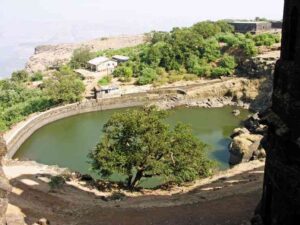
Before performing any puja, devotees traditionally take a holy dip in Kushavarta Kund, which is believed to:
- Wash away past sins
- Cleanse negative karmas
- Remove spiritual impurities
- Prepare the soul for divine connection
According to ancient scriptures, Sage Gautam performed severe penance here, and pleased by his devotion, Lord Shiva released the sacred waters of Godavari to bless humanity.
Thus, every puja performed at Trimbakeshwar is believed to carry the purifying power of the holy river along with Shiva’s blessings.
🔹 3. Ancient Center of Vedic Rituals — A Living Spiritual Legacy
Trimbakeshwar has been a sacred ritual center for thousands of years.
Here, generations of learned Vedic priests have preserved ancient chanting traditions, including:
- Rig Veda
- Yajur Veda
- Sama Veda
- Atharva Veda
Because of this continuous spiritual lineage:
- Pujas performed here are considered more authentic
- Mantras are chanted in their original Vedic form
- Rituals are conducted exactly as described in ancient scriptures
This makes Trimbakeshwar one of the most respected spiritual destinations in India, where devotion is deeply rooted in tradition rather than commercialization.
🌸 Benefits of Trimbakeshwar Puja — In Depth
Performing puja at Trimbakeshwar is not merely a religious act — it is believed to reshape destiny, cleanse karma, and restore cosmic balance in one’s life.
The benefits can be broadly divided into three dimensions:
🙏 Spiritual Benefits
✅ Cleanses Past Karmas
Many people carry unresolved karmic burdens from past lives or ancestral lineage. Puja at Trimbakeshwar is believed to:
- Reduce karmic debts
- Heal spiritual blockages
- Bring clarity to life purpose
Devotees often report feeling lighter, calmer, and spiritually renewed after rituals here.
✅ Brings Deep Inner Peace
The serene environment — surrounded by Brahmagiri hills, flowing waters, and temple chants — naturally calms the mind.
People struggling with anxiety, confusion, or emotional pain often find deep tranquility here.
✅ Strengthens Devotion and Faith
Many pilgrims experience a heightened sense of bhakti (devotion) after performing puja here.
It is said that prayers here awaken one’s inner spirituality and deepen their connection with God.
✅ Helps in Attaining Moksha (Liberation)
Trimbakeshwar is considered a moksha-dham — a place that supports spiritual liberation.
Rituals like Narayan Nagbali and Pind Daan performed here are believed to help souls attain peace and liberation.
🌍 Life Benefits
✅ Removes Obstacles in Career and Business
Many devotees report improvements in:
- Job opportunities
- Business growth
- Financial stability
- Professional clarity
Kaal Sarp Dosh Puja and Rudrabhishek are particularly recommended for career issues.
✅ Improves Financial Stability
Rituals performed here are believed to reduce financial hardships caused by planetary malefic effects or ancestral karma.
People struggling with debt, loss, or instability often seek blessings here.
✅ Resolves Relationship Conflicts
Pujas like Narayan Nagbali and Pitru Dosh Nivaran are believed to heal family discord, marital disputes, and emotional conflicts.
Many couples visit Trimbakeshwar to seek blessings for harmony and understanding.
✅ Reduces Stress and Anxiety
The spiritual vibrations, mantra chanting, and sacred atmosphere naturally bring emotional relief.
Many visitors describe Trimbakeshwar as a place that “heals the mind without medicine.”
🪐 Astrological Benefits
✅ Neutralizes Kaal Sarp Dosh
One of the most sought-after rituals here, Kaal Sarp Dosh Puja is believed to:
- Reduce life struggles
- Remove career delays
- Improve mental peace
- Bring clarity and success
✅ Reduces Negative Effects of Rahu–Ketu
Rahu and Ketu are considered shadow planets that can create confusion, fear, and instability.
Pujas here are believed to balance their influence and restore harmony in one’s horoscope.
✅ Calms Malefic Saturn (Shani)
Many people suffering from Shani Sade Sati or Shani Mahadasha perform Rudrabhishek at Trimbakeshwar.
This ritual is believed to soften Saturn’s harsh effects and bring relief from hardships.
✅ Removes Ancestral Curse (Pitru Dosh)
Pitru Dosh is believed to cause:
- Marriage delays
- Financial problems
- Childlessness
- Family conflicts
Rituals performed at Kushavarta Kund and Trimbakeshwar temple are considered highly effective in removing this dosha.
🛕 Types of Trimbakeshwar Puja
Trimbakeshwar is one of the most spiritually powerful pilgrimage destinations in India. As the home of one of the 12 Jyotirlingas of Lord Shiva and the birthplace of the Godavari River, this sacred town attracts thousands of devotees every year.
The pujas performed here are not just rituals — they are believed to remove karmic blockages, heal emotional wounds, resolve life struggles, and bring divine blessings.
Below is a detailed explanation of the most important pujas performed at Trimbakeshwar.
🔱 1. Kaal Sarp Dosh Puja – Removing Planetary Curse
Why is it performed?
Kaal Sarp Dosh is formed in a person’s horoscope when all planets are trapped between Rahu and Ketu. This astrological condition is believed to create obstacles in various aspects of life.
Common effects of Kaal Sarp Dosh:
• Continuous financial struggles
• Career delays despite hard work
• Problems in marriage or relationships
• Anxiety, fear, or mental stress
• Difficulty in decision-making
• Repeated failures in business or exams
Where is it performed?
This puja is mainly conducted at:
• Trimbakeshwar Temple
• Kushavarta Kund
• Brahmagiri Hill
Ritual Process (Overview)
The priest guides the devotee through:
• Ganesh Puja
• Sankalp (spiritual intention)
• Rahu-Ketu mantra chanting
• Offering milk, flowers, and black sesame
• Final blessings from Lord Shiva
Duration: Usually 2–3 hours
Who should perform this puja?
• People with Kaal Sarp Dosh in their horoscope
• Those facing repeated life struggles
• Individuals experiencing financial or marital delays
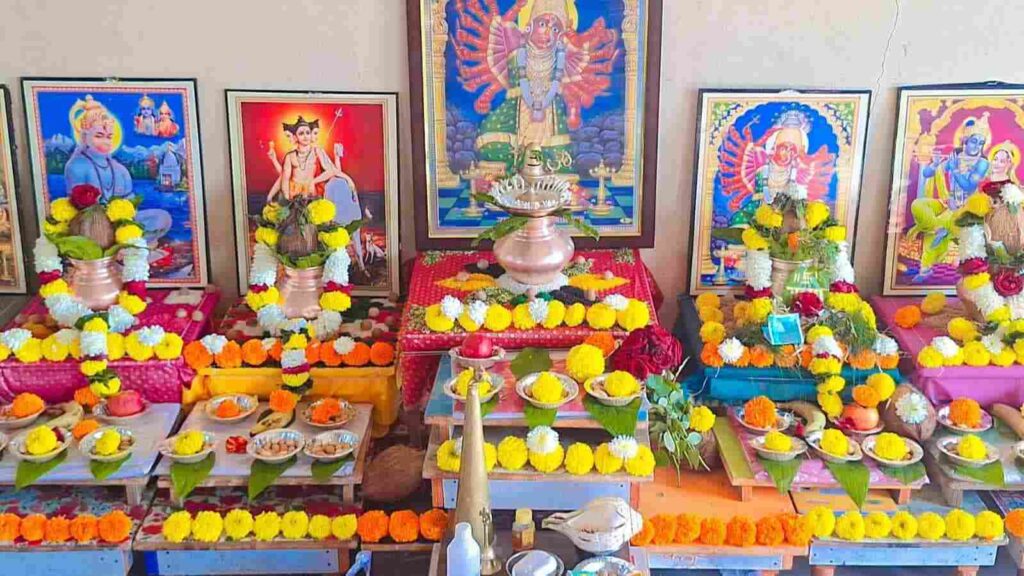
🕯️ 2. Narayan Nagbali Puja – For Ancestral Peace
This is one of the most powerful and important rituals performed at Trimbakeshwar.
It is believed that if any ancestor died unnaturally or was not given proper last rites, their soul remains restless and may affect the family.
Why is this puja done?
This puja is recommended when families face:
• Repeated miscarriages
• Sudden financial loss
• Unexplained illnesses
• Family disputes
• Marriage delays
• Business failures
Spiritual belief:
The ritual helps free the soul of the departed and bring peace and prosperity to the living family members.
Where is it performed?
Mainly at:
• Kushavarta Kund
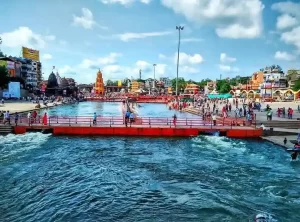
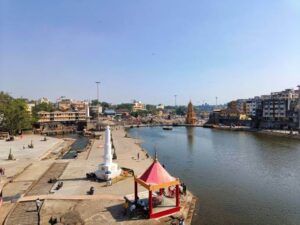
• Godavari Ghats
• Trimbakeshwar temple complex
Ritual Highlights:
• Offering rice balls (Pind Daan)
• Chanting Vedic mantras
• Holy bath in Kushavarta Kund
• Final prayer to Lord Vishnu and Lord Shiva
Duration: Usually 1 full day
🌊 3. Pitru Dosh Nivaran Puja – Appeasing Ancestors
Pitru Dosh occurs when ancestors are unhappy due to incomplete rituals or disrespect.
This dosha is believed to affect:
• Family harmony
• Children’s health
• Financial stability
• Career progress
• Mental peace
Signs of Pitru Dosh:
• Continuous family problems
• No peace at home
• Sudden financial issues
• Difficulty in having children
Where is this puja performed?
Mostly at:
• Kushavarta Kund
• Godavari river banks
• Trimbakeshwar temple
Ritual elements:
• Holy dip in Kushavarta Kund
• Pind Daan
• Tarpan (offering water to ancestors)
• Chanting sacred mantras
This puja is especially powerful during:
• Shraddha Paksha
• Amavasya (new moon)
• Pitru Paksha
🔱 4. Rudrabhishek Puja – Powerful Shiva Blessing
Rudrabhishek is one of the most sacred rituals dedicated to Lord Shiva.
It involves bathing the Shivlinga with sacred substances while chanting powerful Vedic mantras.
Offerings include:
• Milk
• Honey
• Ghee
• Water
• Curd
• Sugarcane juice
• Bilva leaves
Benefits of Rudrabhishek:
• Removes negativity
• Improves health
• Brings financial stability
• Clears mental stress
• Strengthens spiritual connection
Best days to perform:
• Monday
• Maha Shivratri
• Shravan month
This ritual is believed to bring:
• Peace
• Prosperity
• Protection
• Divine grace
🕉️ 5. Mahamrityunjaya Jaap – Life Protection Ritual
This is a highly revered mantra ritual performed for healing, protection, and longevity.
The mantra is:
“Om Tryambakam Yajamahe Sugandhim Pushtivardhanam
Urvarukamiva Bandhanan Mrityor Mukshiya Mamritat”
Who should perform this?
This puja is recommended for:
• People suffering from serious illness
• Those facing mental stress or depression
• Individuals afraid of accidents or danger
• Anyone seeking long life and protection
Where is it performed?
Usually inside Trimbakeshwar temple or nearby ashrams.
Ritual includes:
• Chanting mantra 108 or 1008 times
• Offering flowers and sacred water
• Final blessings from Lord Shiva
This is considered one of the most powerful healing rituals in Hindu tradition.
🛕 Why Trimbakeshwar is Best for These Pujas
Trimbakeshwar is unique because:
• It houses a Jyotirlinga
• It is the origin of Godavari
• It is surrounded by Brahmagiri hills
• It has ancient temples and sacred kunds
• It is a spiritual energy center
Performing pujas here is believed to be many times more powerful than in other places.
📜 Step-by-Step Puja Process
🕯️ Step 1: Holy Bath
Devotees first take a bath in Kushavarta Kund for purification.
🔔 Step 2: Sankalp (Vow)
Priest recites your name, gotra, and purpose of puja.
🕉️ Step 3: Havan (Fire Ritual)
Sacred offerings are made to fire with Vedic chants.
🌿 Step 4: Mantra Chanting
Specific mantras are recited based on the type of puja.
🙏 Step 5: Prasad & Blessings
Devotees receive sacred prasad and priest’s blessings.
⏳ Duration of Puja
- Kaal Sarp Dosh Puja: 2–3 hours
- Narayan Nagbali Puja: 1–2 days
- Rudrabhishek: 1–2 hours
📍 Best Time for Trimbakeshwar Puja
The most auspicious periods are:
- 🌙 Shravan Month (July–August)
- 🔱 Mahashivratri
- 🌊 Kumbh Mela (every 12 years)
- Monday (Somvar)
Early morning is considered best for rituals.
🧭 How to Reach Trimbakeshwar
🚗 By Road
- Nashik to Trimbakeshwar: 28–30 km
🚆 By Train
- Nearest station: Nashik Road (40 km)
✈️ By Air
- Nearest airport: Ozar Airport (24 km)
🛕 Important Places to Visit After Puja
- Trimbakeshwar Jyotirlinga Temple
- Kushavarta Kund
- Brahmagiri Hill
- Gangadwar
- Anjaneri Hill
🧘 Who Should Perform Trimbakeshwar Puja?
You should consider these rituals if you face:
- Career struggles
- Marriage delays
- Financial instability
- Health issues
- Family conflicts
- Astrological doshas
❓ Frequently Asked Questions (FAQ)
Q1: Why is Trimbakeshwar Puja considered so powerful?
Trimbakeshwar Puja is considered extremely powerful because it is performed at one of the 12 Jyotirlingas of Lord Shiva, which are believed to be direct manifestations of divine cosmic energy. The presence of the sacred Godavari River, Brahmagiri Hill, and Kushavarta Kund further amplifies the spiritual impact of prayers. Devotees believe that mantras recited here reach Lord Shiva directly and help remove karmic burdens accumulated over lifetimes.
Q2: Who should perform Trimbakeshwar Puja?
This puja is especially recommended for people who are experiencing:
- Persistent financial problems
- Delays in marriage
- Health complications
- Business failures
- Family conflicts
- Mental stress
- Astrological doshas like Kaal Sarp Dosh, Pitru Dosh, or Rahu-Ketu afflictions
However, even spiritually inclined individuals seeking inner peace and moksha can perform this puja.
Q3: Is it mandatory to bathe in Kushavarta Kund before puja?
Yes, traditionally devotees are advised to take a holy dip in Kushavarta Kund before starting any major puja at Trimbakeshwar. The water is considered sacred and purifying. It is believed to cleanse negative karma, calm the mind, and prepare the soul for divine rituals.
Q4: Can family members participate in the puja together?
Absolutely. Families are encouraged to perform puja together, especially for rituals like Narayan Nagbali, Pitru Dosh Nivaran, and Kaal Sarp Dosh Puja. Collective prayers are believed to bring harmony, blessings, and ancestral peace to the entire lineage.
Q5: How long does each puja take?
Approximate durations:
- Kaal Sarp Dosh Puja: 2–3 hours
- Rudrabhishek: 1–2 hours
- Mahamrityunjaya Jaap: 1–2 hours
- Narayan Nagbali Puja: 1–2 days
- Pitru Dosh Puja: 3–4 hours
The exact time may vary depending on priest and crowd.
Q6: What items are required for Trimbakeshwar Puja?
Common offerings include:
- Milk
- Honey
- Ghee
- Bilva leaves
- Flowers
- Coconut
- Fruits
- Camphor
- Incense sticks
- Sacred threads
- Betel leaves and nuts
Priests usually provide these items in their puja package.
Q7: Can puja be performed without visiting Trimbakeshwar?
Yes, many priests offer remote (online) puja where rituals are performed on behalf of devotees at the temple. However, visiting Trimbakeshwar physically is considered more spiritually beneficial.
Q8: Is Trimbakeshwar Puja expensive?
Costs vary based on:
- Type of puja
- Number of participants
- Priest charges
- Offerings included
On average:
- Simple pujas: ₹1,500–₹5,000
- Kaal Sarp Dosh Puja: ₹6,000–₹15,000
- Narayan Nagbali Puja: ₹15,000–₹30,000
Q9: What is the best day to perform puja?
Most auspicious days:
- Monday (dedicated to Lord Shiva)
- Mahashivratri
- Shravan Month
- Amavasya (new moon)
- Ekadashi
Q10: Can women perform Trimbakeshwar Puja?
Yes. Women are fully allowed and encouraged to participate in all rituals. Married women often perform Rudrabhishek for family prosperity and husband’s well-being.
Q11: What is the significance of Rudrabhishek at Trimbakeshwar?
Rudrabhishek is a sacred bathing ritual of the Shiva Linga using holy substances like milk, water, honey, and ghee while chanting Vedic mantras. It is believed to remove obstacles, bring prosperity, cure illnesses, and strengthen spiritual energy.
Q12: Why is Narayan Nagbali Puja performed here?
Trimbakeshwar is considered one of the most powerful places for Narayan Nagbali Puja because of its divine association with Lord Shiva and the Godavari River. This ritual is performed to free the soul of ancestors who may have died unnaturally or without proper last rites.
Q13: What happens after performing Kaal Sarp Dosh Puja?
After this puja, devotees often report:
- Reduced mental stress
- Better career opportunities
- Improved relationships
- Financial stability
- Overall peace of mind
Astrologically, it is believed to neutralize the negative impact of Rahu and Ketu.
Q14: Is photography allowed during puja?
Generally, photography inside the main temple sanctum is not allowed. However, you can take pictures outside the temple premises and at Kushavarta Kund.
Q15: What should devotees wear during puja?
Traditional attire is recommended:
- Men: Dhoti, kurta, or simple white clothes
- Women: Saree or salwar suit
Avoid western or revealing clothing.
Q16: Is fasting required before puja?
Fasting is not mandatory but highly recommended. Many devotees observe a light diet or fast on the day before puja to maintain purity of body and mind.
Q17: Can children attend the puja?
Yes, children can attend. In fact, many families bring children to seek Lord Shiva’s blessings for education, health, and protection.
Q18: What is the spiritual benefit of visiting Brahmagiri Hill after puja?
Brahmagiri Hill is considered the source of the Godavari River and a place of meditation. Visiting it after puja is believed to deepen spiritual awakening and bring inner peace.
Q19: Is accommodation available near Trimbakeshwar?
Yes, there are:
- Budget lodges
- Dharamshalas
- Guest houses
- Mid-range hotels
Most pilgrims stay in Nashik and travel to Trimbakeshwar.
Q20: How should one behave at Trimbakeshwar Temple?
Devotees should:
Avoid rushing rituals
Maintain silence
Avoid littering
Follow priest instructions
Respect temple rules
🌸 Conclusion
Trimbakeshwar Puja is not just a ritual — it is a sacred journey of faith, purification, and divine connection. Whether you seek relief from doshas, peace of mind, or spiritual growth, performing puja here can bring profound transformation.
A visit to Trimbakeshwar combines devotion, tradition, and spiritual awakening — making it one of the most powerful pilgrimage experiences in India.