🕉️ Spiritual Awakening – The Night of Higher Consciousness
Mahashivaratri is considered the most powerful night for spiritual growth because planetary positions create a natural upward flow of energy in the human system. Ancient yogis observed that staying awake in an alert and meditative state on this night helps awaken inner awareness. This is why devotees avoid sleep and instead engage in chanting, meditation, and silence—allowing consciousness to rise beyond ordinary thoughts.
Mahashivaratri is far more than a ritual observance—it is a profound spiritual invitation to transform from within. This sacred night represents the timeless truth that real change does not happen outside us, but in the silent space of inner awareness.
Just as fire reduces wood to ash, the divine energy of Shiva symbolizes the burning away of mental and emotional impurities. Anger, jealousy, regret, attachment, pride, and fear—these are the layers that cloud the soul. Through prayer, meditation, and जागरण (night-long awareness), devotees symbolically offer these burdens into the inner fire of consciousness.
The sacred ash, known as Vibhuti, carries a deep message:
Everything material—wealth, status, possessions, even the physical body—will eventually turn to ash. What remains eternal is the soul, pure awareness, and the truth of existence. Applying Vibhuti reminds devotees to live with detachment, humility, and spiritual clarity.
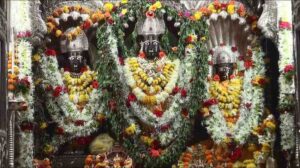
Observing Mahashivaratri in Trimbakeshwar Temple holds special significance because this sacred kshetra is one of the twelve Jyotirlingas, where the presence of Shiva is believed to be intensely powerful. Devotees from across India visit Trimbakeshwar to perform Trimbakeshwar Puja, seeking liberation from karmic obstacles and spiritual upliftment.
The spiritual vibrations of this holy place, combined with Mahashivaratri’s cosmic alignment, make it an ideal time to perform remedies such as:
- Kaal Sarp Puja for relief from Rahu–Ketu dosha and recurring life obstacles
- Rudrabhishek for purification of mind and karma
- Pitru Shanti rituals for ancestral blessings
- Sankalp-based Trimbakeshwar Puja for health, career, and peace
🔱 Why Perform Kaal Sarp Puja on Mahashivaratri?
Mahashivaratri is considered one of the most auspicious times to perform Kaal Sarp Puja, as Shiva is the ultimate controller of time (Kaal) and destiny. When this puja is performed at Trimbakeshwar, it is believed to:
- Reduce the malefic effects of planetary imbalance
- Remove repeated delays in marriage, career, and finances
- Provide emotional stability and clarity in decision-making
- Help release past karmic patterns and fears
- Open the path for growth, success, and spiritual progress
This is why many devotees specifically search for Trimbakeshwar Puja and Kaal Sarp Puja at Trimbakeshwar during Mahashivaratri—to combine ritual, devotion, and cosmic timing.
🌿 Spiritual Experience of Trimbakeshwar Puja
Performing Trimbakeshwar Puja is not just a ritual—it is a deeply transformative process guided by Vedic traditions. The chanting of Rudra mantras, Abhishekam of the Jyotirlinga, and offering of Bilva leaves symbolize surrendering one’s karmic burdens to Shiva.
The atmosphere of Trimbakeshwar—surrounded by sacred hills and the origin region of the Godavari—naturally supports meditation, repentance, and renewal. Devotees often report feeling:
- A sense of lightness after rituals
- Mental calm and emotional release
- Renewed faith and direction in life
- Stronger spiritual connection after Kaal Sarp Puja
✨ Mahashivaratri + Trimbakeshwar = A Complete Spiritual Reset
When Mahashivaratri observance is combined with Trimbakeshwar Puja and Kaal Sarp Puja, it becomes a powerful opportunity to:
- Cleanse karmic influences
- Align planetary energies
- Begin a new phase of life with blessings of Lord Shiva
- Experience both ritualistic and inner transformation
Mahashivaratri is the night of awakening—and performing sacred rituals at Trimbakeshwar makes that awakening even more meaningful.
🌙 The Inner Practices Encouraged on Mahashivaratri
💠 Let Go of Past Emotional Burdens
Mahashivaratri is a night of release. Devotees reflect on past wounds, guilt, and resentment, and consciously choose forgiveness—toward others and toward themselves.
Holding on to pain binds the mind; letting go creates space for peace to enter.
💠 Release Self-Limiting Beliefs
Many of our struggles arise from thoughts like “I am not capable,” “I am stuck,” or “My life cannot change.”
This night encourages deep self-inquiry—observing these patterns and dissolving them through awareness, mantra chanting, and meditation.
💠 Surrender Ego-Driven Desires
Shiva represents absolute simplicity—free from ego, comparison, and excess.
Devotees are reminded to loosen the grip of “I,” “me,” and “mine,” and instead cultivate humility, gratitude, and surrender to the flow of life.
💠 Begin Life Again with Clarity
Mahashivaratri symbolizes a spiritual reset. Just as nature renews itself after destruction, this is the moment to realign one’s life with truth, discipline, and higher purpose.
It is a night to choose awareness over distraction, stillness over noise, and wisdom over impulse.
🔱 Destruction as Renewal — The True Meaning
In Shiva’s philosophy, destruction is never negative. It is the necessary clearing away of illusion so that transformation can occur.
Just as a field must be cleared before new seeds are planted, Mahashivaratri represents the cleansing of the inner landscape—making way for awakening, strength, and higher consciousness.
✨ The Message of Mahashivaratri
This sacred night teaches that spirituality is not escape from life, but purification of how we live it.
By burning ignorance, we discover awareness.
By dissolving ego, we discover freedom.
By letting go, we discover who we truly are.
Mahashivaratri is the journey from darkness to inner light, from chaos to stillness, and from self-identity to universal consciousness.
🔱 Shiva as the Destroyer of Negativity
In the spiritual tradition, Shiva is not a destroyer in the ordinary sense—He is the one who dissolves what is false so that truth can emerge. Ancient stories describe Shiva sitting in deep meditation on Mount Kailash, unmoved by the noise of the universe. When negativity, arrogance, or imbalance grows in creation, Shiva’s role is to restore harmony.
One symbolic story tells how Shiva burned Kama (desire) with the fire of His third eye when meditation was disturbed. This does not mean desire itself is evil—it means uncontrolled desire leads to suffering. Mahashivaratri reminds devotees to burn inner enemies:
- Anger that clouds judgment
- Ego that separates us from others
- Fear that limits growth
- Attachment that prevents freedom
Just as wood becomes ash in a sacred fire, devotees are encouraged to let their impurities turn into wisdom.
🌌 Cosmic Energy Alignment on This Night
Yogic sciences explain that Mahashivaratri is linked to planetary geometry rather than only mythology. The northern hemisphere is positioned in a way that naturally raises the human energy upward along the spine. This is why ancient sages advised staying upright and aware throughout the night.
Spiritual lore says that on this night, Shiva performed the Ananda Tandava, the cosmic dance of creation and dissolution, aligning the rhythms of existence. Meditating during this time allows individuals to synchronize with this universal pulse, enhancing clarity, stability, and inner balance.
🪔 Symbolism of Staying Awake (Jagaran)
The practice of Jagaran is deeply philosophical. Sleep represents unconscious living—acting out of habit, conditioning, and distraction. Wakefulness symbolizes awareness.
A traditional legend narrates that a hunter once unknowingly stayed awake all night under a Bilva tree, dropping leaves onto a Shiva Lingam while trying to remain alert. Despite having no ritual knowledge, his sincere wakefulness and presence granted him liberation. The message is powerful:
Awareness matters more than mechanical ritual.
Mahashivaratri teaches us to “wake up” spiritually—not just physically.
🍃 Importance of Bilva Leaves in Worship
Bilva leaves are considered extremely dear to Shiva because they symbolize balance and simplicity. Their three leaflets represent the triads governing life:
- Creation, preservation, destruction
- Body, mind, soul
- Past, present, future
Offering Bilva means surrendering all dimensions of existence to the Divine. It is a gesture of saying: “I offer not just objects, but my entire being.”
🥛 Meaning Behind Abhishekam Offerings
Each Abhishekam substance carries psychological and spiritual symbolism rooted in Vedic understanding:
- 💧 Water – washes accumulated impressions (karma) and emotional heaviness
- 🥛 Milk – represents nurturing consciousness and purity
- 🍯 Honey – reminds devotees to cultivate sweetness in words and actions
- 🧈 Ghee – symbolizes the fuel of knowledge that sustains the inner flame
- 🧂 Sandalwood – cools passions and stabilizes the restless mind
- 🌸 Flowers – express surrender, beauty, and gratitude
💧 Water – Cleansing of Karma and Emotional Burdens
Water is the most fundamental element used in Abhishekam because it represents purification at every level of existence. Just as water washes away physical impurities, it symbolizes the cleansing of accumulated karmic impressions, past regrets, and emotional heaviness carried in the heart. Offering water to Shiva is an act of surrender, where devotees consciously release negativity, guilt, and mental stress. It teaches the importance of flowing through life with adaptability, humility, and acceptance, rather than resisting change.
🥛 Milk – Nourishment of Purity and Compassion
Milk signifies nurturing energy, innocence, and spiritual purity. When milk is offered during Abhishekam, it represents the devotee’s intention to cultivate kindness, patience, and compassion in daily life. Milk also symbolizes the motherly aspect of creation that sustains all beings. This offering reminds us to purify our thoughts, maintain emotional softness, and develop a heart filled with empathy and calmness, just as milk soothes and nourishes the body.
🍯 Honey – Cultivating Sweetness in Speech and Relationships
Honey represents harmony, unity, and sweetness in human interactions. Its natural richness symbolizes the importance of speaking truth with kindness and behaving with warmth toward others. Offering honey to Shiva is a reminder to remove bitterness, anger, and harshness from our nature. Spiritually, it teaches that devotion is incomplete unless reflected in loving relationships, balanced communication, and selfless actions that spread positivity in the world.
🧈 Ghee – The Sacred Fuel of Knowledge and Inner Illumination
Ghee is associated with sacred fire rituals and is considered a symbol of wisdom and enlightenment. In Abhishekam, ghee represents the inner light of awareness that must be nourished through knowledge, discipline, and self-reflection. Just as ghee sustains a flame in a lamp, spiritual understanding sustains the light of consciousness within us. This offering encourages seekers to pursue truth, cultivate clarity, and remove ignorance through continuous learning and meditation.
🧂 Sandalwood – Cooling the Mind and Balancing Emotions
Sandalwood paste is known for its cooling and calming properties, making it a symbol of mental peace and emotional balance. Applying sandalwood during worship signifies calming the heat of anger, desire, and restlessness that disturb inner harmony. It reminds devotees to practice patience, maintain composure during challenges, and cultivate serenity. Spiritually, sandalwood represents a mind that remains steady and fragrant with virtue regardless of external situations.
🌸 Flowers – Expression of Devotion, Gratitude, and Surrender
Flowers are offered as a symbol of love, humility, and the beauty of a surrendered heart. A flower blooms selflessly and spreads fragrance without expectation, teaching devotees to live with generosity and grace. Offering flowers to Shiva represents dedicating one’s actions, talents, and emotions to the divine. Each petal symbolizes gratitude for life and the willingness to let the ego fall away, allowing purity and devotion to blossom within.
These sacred offerings are not merely ritualistic materials — they represent stages of inner purification and transformation. Through Abhishekam, devotees symbolically cleanse the mind, nurture virtues, ignite wisdom, calm emotions, and offer themselves completely to the higher consciousness.
These offerings are not meant to please a deity externally, but to transform the devotee internally.
🧘 Mahashivaratri and Meditation Practices
Scriptures describe this night as especially supportive for meditation because natural stillness prevails. Even nature becomes quieter. The mind, when guided into mantra or breath awareness, can experience deep silence.
It is believed that Shiva transmitted the knowledge of yoga to sages on this night, making it a gateway to self-realization. Sitting silently—even for a short time—can bring unusual mental clarity and emotional release.
🔥 The Sacred Fire of Transformation
Fire in Shaiva philosophy represents Jnana Agni—the fire of knowledge. This is the fire that burns ignorance.
A story describes how Shiva consumed the deadly cosmic poison Halahala to protect creation, holding it in His throat, which turned blue. This teaches that transformation is not escape from negativity but the ability to hold and transmute it into strength.
Mahashivaratri encourages devotees to perform inner tapas:
- Observe habits honestly
- Let go of harmful patterns
- Replace reaction with awareness
🌿 Fasting as a Tool for Self-Mastery
Fasting is not punishment—it is refinement. When digestion becomes light, the body conserves energy, allowing awareness to sharpen. Yogis discovered that reducing intake helps discipline the senses and break cycles of constant craving.
Fasting on Mahashivaratri symbolizes mastery over compulsions, reminding us that we are not slaves to habit but capable of conscious choice.
📿 Chanting Mantras and Their Vibrational Power
The mantra Om Namah Shivaya is known as the Panchakshari Mantra—five syllables linked to the five elements. Repetition of this sound is said to harmonize the internal elements of the body, calming breath, stabilizing emotions, and deepening awareness.
Rather than prayer as request, this chanting becomes resonance—aligning individual consciousness with universal consciousness.
🌠 Mahashivaratri as a Festival of Inner Silence
Unlike many festivals filled with outward celebration, Mahashivaratri directs attention inward. Shiva represents the stillness from which all sound and creation arise.
Silence observed on this night is not emptiness—it is fullness without distraction.
💫 Life Lessons from Mahashivaratri
🌙 Detach from ego — humility opens the door to wisdom.
🔱 Accept change — destruction of the old allows growth of the new.
🧘 Cultivate awareness — conscious living replaces mechanical existence.
🔥 Let go of the past — freedom begins when memory loses its grip.
🌿 Live simply — contentment creates lasting joy.
🌙Detach from Ego — Humility Opens the Door to Wisdom
Ego creates the illusion that we are separate, superior, or always right. It binds us to constant comparison, competition, and the need for validation. Mahashivaratri teaches that true strength lies in humility—recognizing that we are part of a larger cosmic order.
When ego softens, listening becomes deeper, relationships become more harmonious, and learning becomes natural. Humility allows wisdom to enter because the mind is no longer crowded with self-importance. In letting go of “I know everything,” we become open to growth, grace, and understanding.
🔱 Accept Change — Destruction of the Old Allows Growth of the New
Transformation is a natural law of existence. Just as seasons change and night turns into day, life constantly evolves. Resisting change creates suffering, while accepting it leads to renewal.
Mahashivaratri symbolizes the courage to release outdated beliefs, unhealthy attachments, and stagnant habits. When we allow what no longer serves us to dissolve, space is created for new opportunities, clarity, and purpose. Every ending becomes the foundation for a higher beginning.
🧘 Cultivate Awareness — Conscious Living Replaces Mechanical Existence
Many people live on autopilot—reacting, rushing, and repeating patterns without reflection. Awareness is the shift from unconscious action to intentional living.
Mahashivaratri encourages mindfulness in thoughts, words, and actions. By observing ourselves without judgment, we begin to understand our emotions, triggers, and motivations. This awareness brings balance, improves decision-making, and leads to a life guided by clarity rather than impulse.
🔥 Let Go of the Past — Freedom Begins When Memory Loses Its Grip
Holding onto past pain, regrets, or failures keeps the mind trapped in cycles of suffering. The past cannot be changed, but our relationship with it can be transformed.
Mahashivaratri represents an inner fire that burns emotional residue, allowing forgiveness and healing to take place. When we release resentment and guilt, energy once tied to the past becomes available for creativity, joy, and progress. Freedom is found not by forgetting, but by no longer being bound by what has already happened.
🌿 Live Simply — Contentment Creates Lasting Joy
Modern life often equates happiness with accumulation—more possessions, more achievements, more recognition. Yet simplicity brings a deeper sense of peace.
Living simply means valuing what truly matters: meaningful relationships, balanced living, gratitude, and inner stability. Mahashivaratri reminds us that contentment is not found outside but cultivated within. When desires are moderated and life becomes less complicated, the mind naturally experiences calmness and lasting fulfillment.
🌊 A Story of Grace and Compassion
When the celestial river Ganges descended to Earth, its force was so powerful it could have destroyed the world. Shiva received it in His matted locks, allowing the flow to descend gently.
This story symbolizes how awakened consciousness can channel overwhelming forces into life-giving energy. Mahashivaratri reminds us that when the mind becomes steady like Shiva, even life’s strongest currents can be handled with grace.
✨ Why Mahashivaratri Matters Today
In modern life filled with speed, noise, and constant stimulation, Mahashivaratri offers a rare pause—a chance for:
- Mental detox from information overload
- Emotional healing from accumulated stress
- Spiritual reconnection with purpose and meaning
It is not just a festival to celebrate, but an opportunity to reset life’s direction.
🌺 The Essence of Mahashivaratri
Mahashivaratri ultimately teaches us to embody Shiva-like awareness:
Calm in chaos.
Still in movement.
Detached yet compassionate.
Powerful yet humble.
It is the night of dissolving darkness and awakening to the silent, eternal presence within.
Har Har Mahadev!
🌙 Conclusion – The Inner Meaning of Mahashivaratri
Mahashivaratri is far more than a festival marked by rituals, fasting, and night-long prayers. It is a sacred invitation to pause, turn inward, and rediscover the stillness that exists beyond the noise of daily life. While many festivals celebrate external joy, Mahashivaratri celebrates inner awakening — the journey from ignorance to awareness, from restlessness to peace, and from ego to surrender.
Lord Shiva represents the highest state of consciousness — calm, detached, compassionate, and infinitely aware. Observing Mahashivaratri reminds us that transformation does not come from changing the outside world but from purifying the inner self. When devotees fast, meditate, chant, and remain awake, they symbolically burn away negativity, just as Shiva reduces all illusions to sacred ash.
In today’s fast-paced world filled with stress, distraction, and constant activity, Mahashivaratri offers a rare opportunity to reset the body, mind, and soul. It encourages simplicity over excess, awareness over automation, and silence over noise. Even a small, sincere observance of this night can plant the seed of lasting peace and clarity.
Mahashivaratri ultimately teaches that Shiva is not just worshipped in temples — Shiva is experienced within.
When the mind becomes still, when ego dissolves, and when awareness shines, that is the true celebration of Mahashivaratri.
It is the night we remember who we truly are.
Har Har Mahadev! 🔱
❓ Frequently Asked Questions (FAQs) About Mahashivaratri
1️⃣ Why is Mahashivaratri celebrated at night instead of during the day?
Mahashivaratri is observed at night because it symbolizes the transition from darkness (ignorance) to light (knowledge). Yogic traditions believe that spiritual energies are naturally heightened during this night, making it ideal for meditation, chanting, and self-reflection.
2️⃣ Is fasting necessary on Mahashivaratri?
Fasting is recommended but not compulsory. It is meant to purify the body and sharpen mental awareness, not to cause discomfort. Devotees may choose a full fast, fruit-based diet, or simple sattvic meals depending on their health and capacity. The intention of discipline matters more than the method.
3️⃣ What is the significance of chanting “Om Namah Shivaya” on this day?
This mantra is believed to align the five elements within the human body and calm the mind. Repeating it with devotion helps reduce stress, enhance concentration, and cultivate inner peace. Continuous chanting transforms prayer into meditation.
4️⃣ Can Mahashivaratri be observed at home?
Yes, Mahashivaratri can be observed anywhere with sincerity. A simple practice at home — offering water, chanting the mantra, meditating, and maintaining awareness — is considered as meaningful as elaborate temple rituals.
5️⃣ Why do devotees stay awake all night (Jagaran)?
Staying awake represents spiritual alertness. It symbolizes overcoming laziness and unconscious living. By remaining awake in prayer or meditation, devotees cultivate mindfulness and connect more deeply with their inner self.
6️⃣ What should one avoid doing on Mahashivaratri?
Devotees are encouraged to avoid negative thoughts, arguments, heavy foods, and distractions. The day is meant for purity in actions, speech, and mind. Maintaining calmness and simplicity enhances the spiritual impact of the observance.
7️⃣ What are the spiritual benefits of observing Mahashivaratri?
Many believe that sincere observance brings:
- Mental clarity and emotional balance
- Release from past negativity
- Greater self-discipline and awareness
- A sense of inner peace and renewal
- Stronger connection to spiritual values
8️⃣ Is Mahashivaratri only for religious people?
No. Mahashivaratri is universal in its message. It is for anyone seeking silence, self-improvement, and deeper understanding of life. The practices of fasting, meditation, and reflection benefit people of all backgrounds.
9️⃣ Why is Lord Shiva associated with simplicity on this festival?
Shiva is depicted as a yogi who renounces luxury and lives in complete awareness. This teaches that spiritual growth comes through simplicity, humility, and detachment rather than material accumulation.
🔟 What is the true way to celebrate Mahashivaratri?
The truest celebration is not external — it is internal:
- Sit in silence.
- Observe your thoughts.
- Let go of negativity.
- Chant with devotion.
- Experience stillness.
When the mind becomes peaceful and aware, that is the real worship of Shiva.
✨ Final Thought
Mahashivaratri is a reminder that transformation is always possible.
Every moment we choose awareness over distraction, compassion over anger, and truth over illusion — we celebrate Mahashivaratri within ourselves.
May this sacred night bring clarity, strength, and inner awakening to all. 🔱