
🌌 Introduction to Pitru Dosh
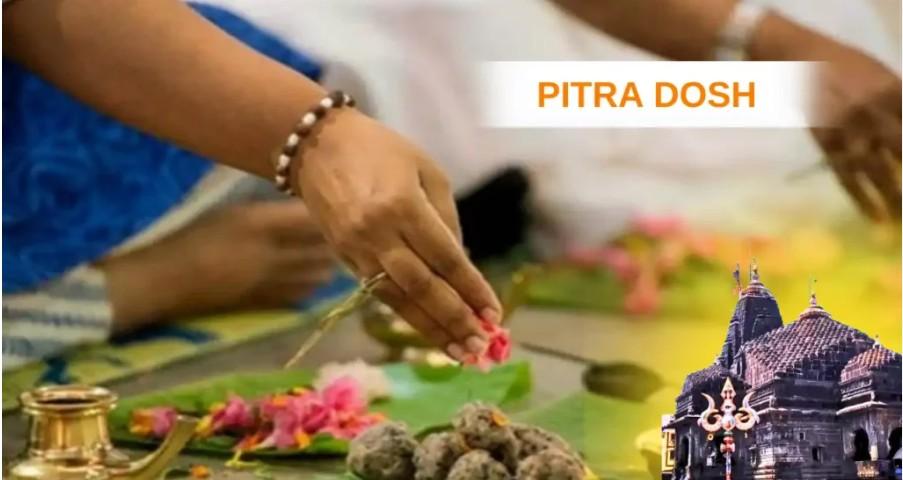
In Vedic astrology, Pitru Dosh (also known as Pitru Dosha or Ancestral Karmic Imbalance) arises when the souls of ancestors are not at peace due to unresolved karmic issues, improper last rites, or neglected ancestral rituals such as Shraddh, Tarpan, and Pind Daan.
This spiritual imbalance can reflect in a person’s life as struggles in career, health, relationships, and finances. Performing Pitru Dosh Puja helps appease ancestors, remove karmic blockages, and restore harmony, prosperity, and peace in life.
🌌 Meaning of Pitru Dosh
The word “Pitru” means ancestors, and “Dosh” means flaw or karmic defect. Together, it signifies the negative impact on a person’s life due to ancestral dissatisfaction or unsettled karmic debts.
Astrological Identification of Pitru Dosh
Pitru Dosh is commonly identified in a horoscope when:
- The 9th house (house of ancestors & fortune) is afflicted
- The Sun (Pitra Karak planet) is weak or malefically aspected
- Rahu, Ketu, or Saturn negatively influence ancestral houses
- There are indications of past-life karmic debts
⚡ Major Causes of Pitru Dosh
Pitru Dosh arises when there is a disruption in the spiritual relationship between ancestors and their descendants. This disturbance can be karmic, emotional, ritualistic, or astrological in nature. Understanding its root causes helps families approach remedies with clarity, devotion, and responsibility rather than fear.
1️⃣ Improper or Neglected Ancestral Rituals
In Hindu tradition, rituals like Shraddh, Tarpan, and Pind Daan are not symbolic acts—they are believed to be essential for the spiritual journey of departed souls.
If these rituals are:
- never performed,
- performed incorrectly, or
- performed irregularly,
ancestors may not receive the spiritual nourishment they require to transition peacefully to higher realms.
Spiritually, this is seen as unfinished responsibility from the living generation. When ancestors feel ignored or forgotten, their unsettled state may reflect as obstacles, emotional unrest, financial instability, or repeated misfortunes in the family lineage.
Regular remembrance through Shraddh during Pitru Paksha is considered a sacred duty rather than a mere custom.
2️⃣ Unfulfilled Desires of Ancestors
Sometimes ancestors leave the world with deep emotional attachments such as:
- unfulfilled promises,
- unresolved conflicts,
- regrets, or
- strong desires for family matters left incomplete.
These emotional imprints can create a subtle karmic bond between the departed soul and their descendants.
This does not mean ancestors intentionally cause problems; rather, their unresolved energy remains linked to the family. Performing Tarpan, Pind Daan, and charity in their name helps release these attachments and grant them peace.
Families often experience emotional healing and reduced tension after addressing such karmic ties through proper rituals.
3️⃣ Sudden or Unnatural Deaths
If an ancestor passed away due to:
- accident,
- suicide,
- war,
- sudden illness, or
- without proper last rites,
their soul may not have had a smooth spiritual transition.
Such souls are believed to remain restless or confused between worlds, which can create an energetic imbalance in the family.
This imbalance may manifest as:
- repeated health issues,
- mental stress,
- financial losses, or
- instability in relationships.
Performing Pind Daan at sacred places like Gaya or Trimbakeshwar is considered especially powerful for such cases, as it helps guide the soul toward liberation (moksha).
4️⃣ Past-Life Karmic Debts
According to Vedic philosophy, karma is not limited to one lifetime—it travels across generations and incarnations.
Some families may inherit:
- karmic burdens,
- repeated patterns of suffering, or
- unresolved spiritual responsibilities from past lives.
These may appear as:
- generational poverty,
- recurring illness,
- broken relationships, or
- continuous professional struggles.
Pitru Dosh in such cases is seen as a spiritual opportunity rather than punishment—a chance for the present generation to cleanse karmic cycles through devotion, charity, and righteous living.
By performing ancestral rituals sincerely, families can gradually dissolve these karmic debts and create a more positive destiny for future generations.
5️⃣ Malefic Planetary Influence (Rahu, Ketu, Saturn)
From an astrological perspective, Pitru Dosh is often visible in a person’s birth chart (kundali). Key planetary factors include:
🔹 Rahu or Ketu afflicting the 9th house
The 9th house represents:
- ancestors,
- fortune,
- dharma, and
- spiritual legacy.
When Rahu or Ketu negatively influences this house, it suggests ancestral imbalance. People may experience:
- repeated setbacks,
- delayed success,
- conflicts with elders, and
- unexplained life struggles.
🔹 Saturn (Shani) aspecting the Sun or Moon
Saturn represents karma, discipline, and past-life consequences.
If Saturn heavily influences the Sun or Moon, it can indicate unresolved ancestral karma, leading to:
- mental stress,
- emotional heaviness,
- career stagnation, or
- family discord.
🔹 Weak or Afflicted Sun
The Sun is the primary significator of ancestors in astrology.
Pitru Dosh is more likely when the Sun is:
- debilitated,
- combust, or
- afflicted by Rahu, Ketu, or Saturn.
This can result in:
- low confidence,
- leadership struggles,
- health issues, or
- difficulty gaining respect and recognition.
Such placements suggest the need for ancestral appeasement through rituals, charity, and mantra chanting.
🕉️ Final Insight
Pitru Dosh is not a curse—it is a spiritual signal that ancestral harmony needs restoration. When families acknowledge their roots, perform rituals with sincerity, and live ethically, they not only heal past karmas but also strengthen the destiny of future generations.
⚠️ Symptoms & Signs of Pitru Dosh
👨👩👧👦 Family & Personal Life Issues
- Delay in marriage
- Frequent family conflicts
- Childbirth issues or miscarriages
- Recurring illnesses in family
💰 Financial & Career Problems
- Sudden financial losses
- Business stagnation
- Job instability
- Property disputes
🧠 Mental & Emotional Signs
- Unexplained stress
- Repeated failures
- Feeling of heaviness at home
🕉️ Spiritual Signs
- Recurring dreams of ancestors
- Sudden urge to visit holy places
- Crows not eating offerings during Shraddh
👉 One or two symptoms alone do not confirm Pitru Dosh, but multiple recurring signs may indicate the need for astrological consultation.
🙏 Importance & Benefits of Pitru Dosh Puja
🌿 How Pitru Dosh Puja Helps – Detailed Benefits
Performing Pitru Dosh Puja is believed to bring deep spiritual, emotional, and material harmony into a person’s life. It works not only at a ritual level but also at a karmic and energetic level, aligning the family lineage with positive cosmic forces. The key benefits are explained below in greater depth:
✔ Brings peace to ancestors
The primary purpose of Pitru Dosh Puja is to provide spiritual relief and liberation to departed souls. Through Tarpan, Pind Daan, and sacred mantras, the ancestors are nourished spiritually and guided toward higher realms. This helps them release attachment to the earthly world and rest in peace, which in turn brings blessings to the family.
✔ Removes karmic blockages
Unresolved karmic debts from past generations can create obstacles in the present life. This puja acts as a spiritual cleansing process that dissolves negative karmic patterns, emotional burdens, and ancestral unrest. As these blockages clear, life begins to flow more smoothly in all areas.
✔ Improves family harmony
When ancestral energies are balanced, conflicts within the family naturally reduce. Misunderstandings decrease, communication improves, and relationships become more compassionate. Many families report a calmer home atmosphere and stronger emotional bonds after performing the puja.
✔ Reduces career delays and obstacles
Pitru Dosh is often associated with stagnation in career, repeated failures, or missed opportunities. After the puja, professional paths tend to open gradually—new job opportunities may appear, workplace issues lessen, and business growth becomes more stable.
✔ Stabilizes finances
Financial instability, unexpected losses, or blocked income can be linked to karmic disturbances. By appeasing ancestors and restoring spiritual balance, monetary flow improves over time. People often notice better savings, fewer financial crises, and new income possibilities.
✔ Improves physical and mental health
Many believe that ancestral unrest can manifest as stress-related illnesses, anxiety, or recurring health problems. After performing Pitru Dosh Puja, people often experience reduced mental tension, better sleep, and overall emotional well-being, which positively impacts physical health.
✔ Blesses future generations
Perhaps the most powerful benefit is its long-term impact on descendants. By resolving ancestral karmic issues today, you create a spiritually stronger foundation for your children and grandchildren. This ensures peace, prosperity, and divine protection for future generations of your lineage.
✨ Overall Spiritual Impact
Pitru Dosh Puja is not just about solving problems—it is about restoring cosmic balance between the living and the departed. When performed with sincerity, it aligns your destiny with divine grace, transforms challenges into growth, and strengthens the spiritual legacy of your family.
🕉️ Pitru Dosh Puja: Complete Ritual Procedure (Detailed Guide)
Pitru Dosh Puja is a sacred Vedic ritual performed to appease ancestors, remove karmic blockages, and restore harmony in the family lineage. The puja follows a systematic spiritual process guided by learned priests and performed with devotion, purity, and reverence. Each step carries deep religious, karmic, and energetic significance.
The entire ritual is typically conducted near a holy river, temple, or a spiritually potent place such as Trimbakeshwar, Gaya, Varanasi, Haridwar, or Nashik.
Pitru Dosh Puja is a profound and ancient Vedic ritual dedicated to honoring ancestors, seeking their blessings, and resolving karmic imbalances that may be affecting the present generation. According to Hindu scriptures, the actions and duties of descendants play a crucial role in determining the peace and liberation of departed souls. When these duties are neglected—whether intentionally or unknowingly—it can create spiritual disturbances known as Pitru Dosh. This puja serves as a divine remedy to correct that imbalance and restore harmony within the family lineage.
The ritual is not a single act but a carefully structured spiritual process rooted in Vedic traditions. It is conducted under the guidance of experienced and knowledgeable priests who follow prescribed mantras, offerings, and ceremonial steps with precision. The performer of the puja is expected to maintain mental clarity, sincerity, and purity of intention, as the effectiveness of the ritual depends greatly on devotion rather than mere procedure. Every component—whether it is water offerings, fire rituals, or charity—holds deep religious, karmic, and energetic significance aimed at cleansing negative influences and strengthening ancestral blessings.
The location of the puja also plays a vital spiritual role. Traditionally, Pitru Dosh Puja is performed in places believed to carry high spiritual vibrations, especially near sacred rivers or renowned temples. Holy sites such as Trimbakeshwar (Nashik), Gaya, Varanasi, Haridwar, and Prayagraj are considered exceptionally powerful because they are associated with liberation (moksha) and ancestral rituals. The presence of flowing water, divine temples, and centuries-old spiritual energy is believed to amplify the impact of the puja, making it more effective in granting peace to ancestors and removing karmic obstacles for descendants.
In essence, Pitru Dosh Puja is not merely a ritual—it is a spiritual journey of reconciliation with the past, purification of the present, and protection of the future of one’s lineage.
1️⃣ Sankalp (Sacred Intention & Invocation)
The puja begins with Sankalp, which is the formal declaration of intent before the divine and the ancestors.
🔹 The priest chants mantras while taking:
- Your full name
- Your father’s name
- Your family lineage (Gotra)
- Your ancestral line
- Your purpose for performing the ritual
🔹 This step establishes a spiritual connection between:
- The performer
- The departed ancestors
- The divine cosmic forces
The Sankalp ensures that the puja is directed specifically toward your family lineage and karmic cycle. It acts as a spiritual contract with the universe that you are seeking forgiveness, blessings, and liberation for your ancestors.
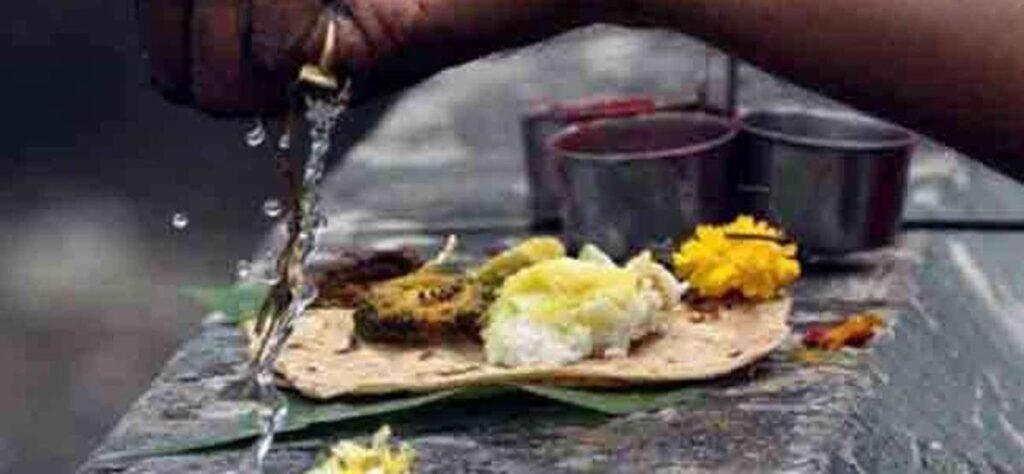
2️⃣ Tarpan (Water Offering to Ancestors)
Tarpan is one of the most important components of Pitru Dosh Puja.
🔹 Water is offered with:
- Black sesame seeds (til)
- Barley or kusha grass
- Sacred river water
🔹 While pouring the water, the priest chants Pitru mantras and calls upon the ancestors by name and lineage.
💧 Spiritual Meaning of Tarpan:
- Water represents life, purity, and spiritual nourishment.
- Black sesame seeds symbolize protection and removal of negativity.
- This ritual helps calm restless ancestral souls and gives them spiritual peace.
Tarpan is believed to reduce anger, dissatisfaction, or karmic unrest of ancestors.
3️⃣ Pind Daan (Offering of Sacred Rice Balls)
Pind Daan is the heart of the entire ritual.
🔹 Rice balls (Pind) are prepared using:
- Cooked rice
- Black sesame seeds
- Ghee
- Milk
- Honey
- Barley flour
These are shaped into sacred balls and placed on kusha grass or banana leaves.
🔹 Each Pind represents:
- A specific ancestor
- Their spiritual body
- Their karmic journey
💫 Spiritual Importance:
This ritual is believed to:
- Help ancestors transition peacefully to higher spiritual realms
- Release them from earthly attachments
- Grant them moksha or spiritual elevation
Many believe that without Pind Daan, ancestors remain trapped between worlds, unable to rest.
4️⃣ Havan (Sacred Fire Ritual)
The Havan or Yagna is performed to purify the karmic environment of the family.
🔥 Sacred fire is lit in a designated fire pit. Offerings such as:
- Ghee
- Samidha (sacred wood)
- Herbs
- Rice
- Sesame seeds
are poured into the fire while chanting mantras.
🔥 Spiritual Purpose:
- Fire is considered a purifier in Hindu spirituality.
- It burns negative karmic influences.
- It cleanses ancestral energies from your family lineage.
Many devotees feel a sense of peace, clarity, and lightness after this ritual.
5️⃣ Brahman Bhojan & Charity (Seva and Dharma)
After the main rituals, feeding Brahmins (priests) or the poor is considered highly auspicious.
🍽️ This may include:
- Serving food to priests
- Donating clothes, grains, or money
- Feeding animals such as cows or birds
🕊️ Spiritual Meaning:
- Charity balances karmic debts
- It pleases ancestors
- It brings blessings of prosperity and harmony
In Hindu tradition, feeding others in the name of ancestors is one of the most powerful ways to remove Pitru Dosh.
6️⃣ Visarjan (Final Prayers & Blessings)
The ritual concludes with Visarjan, where final prayers are offered.
The priest blesses the family with:
- Peace
- Prosperity
- Protection
- Spiritual growth
Devotees often feel emotional release, gratitude, and spiritual calm at this stage.
Many people report positive life changes within months after performing this puja.
🌿 Overall Spiritual Impact of Pitru Dosh Puja
After sincerely completing Pitru Dosh Puja, individuals and families often experience noticeable shifts in both their inner state and external circumstances. These changes are not sudden miracles but gradual spiritual realignments that unfold over time.
✔️ Improved family harmony –
Long-standing conflicts, misunderstandings, and emotional distance within the family begin to soften. Communication improves, trust is restored, and a sense of unity returns. Many families report fewer arguments and a more supportive atmosphere at home.
✔️ Relief from mental stress –
Unexplained anxiety, restlessness, and emotional heaviness start to fade. People feel calmer, more focused, and spiritually lighter. Sleep patterns improve, and decision-making becomes clearer and more confident.
✔️ Reduction in financial problems –
Blocked opportunities, sudden losses, or continuous financial strain gradually ease. New income avenues may open, debts become manageable, and financial stability strengthens with time.
✔️ Better career stability and growth –
Professional stagnation, repeated failures, or workplace conflicts often reduce after the puja. Individuals may notice better job prospects, promotions, or smoother business operations.
✔️ Healing of ancestral karmic blockages –
The puja helps release unresolved karmic ties from previous generations. This spiritual cleansing allows positive energy to flow freely within the family lineage, benefiting future generations as well.
✔️ Peaceful dreams instead of disturbing ones –
Recurring dreams of deceased relatives, nightmares, or restless sleep are replaced with calm and neutral dreams. This is considered a strong sign that ancestral souls are at peace.
✨ Spiritual Essence of the Ritual
Pitru Dosh Puja is not merely a religious tradition—it is a deep karmic cleansing process that aligns your soul, family, and destiny with divine cosmic order. It helps clear spiritual obstacles, balance past karma, and invite blessings from both ancestors and higher divine powers.
By performing this ritual with devotion, you are not just appeasing ancestors—you are actively reshaping your karmic path, strengthening your destiny, and creating a more peaceful, prosperous, and spiritually aligned life.
🌟 Best Time to Perform Pitru Dosh Puja
- Pitru Paksha (15 lunar days) – Most powerful
- Sarva Pitru Amavasya
- Mahalaya Amavasya
- Gaya Shraddh period
- Family death anniversaries
📍 Best Places for Pitru Dosh Puja
Most sacred locations include:
- Gaya (Bihar) – Most powerful for Pind Daan
- Haridwar (Ganga)
- Trimbakeshwar, Nashik (Godavari)
- Kashi (Varanasi)
- Prayagraj (Triveni Sangam)
- Ujjain (Shipra River)
❓ FAQs on Pitru Dosh Puja
Q1: Can Pitru Dosh be removed completely?
Yes. The negative effects of Pitru Dosh can be significantly reduced or fully neutralized when remedies are performed with faith, discipline, and proper Vedic procedure. Regular Shraddh, Tarpan, Pind Daan, charity, and devotion to Lord Vishnu, Shiva, or Pitru Devta help resolve karmic blockages. In many cases, repeated rituals for 1, 3, or 11 years strengthen results.
Q2: How long does Pitru Dosh Puja take?
The duration depends on astrological severity and family lineage issues:
- Mild Pitru Dosh → 1 day ritual
- Moderate Pitru Dosh → 3 days ritual
- Severe Pitru Dosh → 7 to 11 days ritual
Certain families may also perform annual Shraddh for continued relief.
Q3: Who should ideally perform Pitru Dosh Puja?
Traditionally, the eldest son performs the ritual. However:
- Daughters
- Nephews
- Grandsons
- Adopted sons
- Or a qualified priest (on behalf of the family)
can also perform it if the son is unavailable, unwilling, or deceased.
Q4: Is Pitru Dosh Puja necessary for everyone?
No. It is required only if:
- Your horoscope shows Pitru Dosh
- You face repeated life struggles
- There are unexplained delays in marriage, career, or childbirth
- You experience ancestral signs or dreams
Otherwise, normal Shraddh is sufficient.
Q5: What is the cost of Pitru Dosh Puja?
The cost varies based on location, priest, and duration:
- Basic puja: ₹5,000 – ₹15,000
- Medium ritual (3 days): ₹20,000 – ₹50,000
- Extended ritual (7–11 days): ₹1,00,000+
Holy places like Trimbakeshwar, Gaya, Varanasi, and Haridwar may have different rates.
➕ More Important Questions
Q6: Where is Pitru Dosh Puja best performed?
Most powerful places include:
- Trimbakeshwar (Nashik)
- Gaya (Bihar)
- Varanasi (Kashi)
- Haridwar & Prayagraj
These sites are spiritually potent for ancestral liberation.
Q7: What are the benefits of Pitru Dosh Puja?
After performing the puja, devotees often experience:
- Better family harmony
- Reduced mental stress
- Career progress
- Relief from financial issues
- Peaceful dreams
- Improved health and relationships
Q8: Can women perform Pitru Dosh Puja?
Yes. While traditionally sons perform it, daughters can perform Pitru Dosh Puja if they are the main caretakers or if no male heir exists.
Q9: Does Pitru Dosh affect marriage?
Yes. It can cause:
- Delays in marriage
- Broken engagements
- Relationship conflicts
- Divorce or separation
Performing the puja often clears these obstacles.
Q10: Does Pitru Dosh affect pregnancy?
In some cases, it is linked to:
- Difficulty conceiving
- Miscarriages
- Repeated medical complications
Remedies and blessings from ancestors may help ease such challenges.
Q11: Can Pitru Dosh return after puja?
If rituals are done sincerely, effects rarely return. However, families are advised to continue annual Shraddh and charity.
Q12: What should we do after Pitru Dosh Puja?
Recommended practices:
- Perform yearly Shraddh
- Donate food, clothes, or grains
- Feed cows and birds
- Offer water to ancestors on Amavasya
Q13: Can astrology confirm Pitru Dosh?
Yes. Astrologers look for:
- Sun afflicted by Rahu/Ketu/Shani
- Rahu in 9th house
- Weak Sun (Pitra Karaka)
- Moon or Saturn afflictions
Q14: Is Pitru Dosh a curse?
No. It is not a curse — it is a karmic imbalance that can be corrected through devotion, discipline, and proper rituals.
🌺 Conclusion – Spiritual Significance of Pitru Dosh Puja
Pitru Dosh Puja is far more than a traditional ceremony—it is a sacred spiritual commitment that reconnects the living with their ancestral roots. In Vedic philosophy, life is not limited to one generation; it flows through an unbroken chain of lineage, karma, and divine blessings. When this chain is disturbed due to neglected rituals, unresolved karmic debts, or restless ancestral souls, it creates imbalance in the present generation. Pitru Dosh Puja serves as a powerful means to restore this spiritual harmony.
By performing this puja with faith, sincerity, and reverence, devotees express deep gratitude toward their forefathers for their sacrifices, legacy, and blessings. It is an act of humility that acknowledges that our existence, success, and destiny are connected to those who came before us. This sacred ritual helps dissolve negative karmic patterns, releasing emotional and spiritual burdens carried across generations.
On a practical level, many individuals experience profound changes after completing Pitru Dosh Puja. Families often witness improved relationships, reduced conflicts, and a more peaceful home environment. Financial stagnation begins to ease, career obstacles diminish, and long-standing problems start to resolve gradually. Spiritually, practitioners feel lighter, calmer, and more connected to divine consciousness.
Pitru Dosh Puja also encourages ethical living and compassion. Through acts of charity, feeding the needy, and honoring Brahmins, devotees cultivate a sense of responsibility toward society and nature. This not only pleases the ancestors but also aligns one’s life with dharma (righteousness).
Ultimately, honoring our ancestors is not about fear—it is about love, respect, and healing. When we make peace with the past, we create a stronger, brighter, and more prosperous future. By seeking blessings from our lineage, we transform karmic challenges into spiritual growth and open the doors to abundance, fulfillment, and inner tranquility.
Pitru Dosh Puja reminds us that healing the past is the first step toward shaping a peaceful and blessed destiny.