Sheshnag Kaal Sarp Dosh Puja Trimbakeshwar: Meaning, Real Effects, and How the Remedy Actually Works
A man in his late thirties called our ashram last year, calm on the surface but clearly rattled. He’d been to three astrologers in two years — one told him he’d never find stability, another told him to wear seven different gemstones, and a third simply said “Sheshnag Kaal Sarp Dosh, very serious, you must do puja immediately” and hung up before he could ask a single question. By the time he reached us, he wasn’t asking about astrology anymore. He was asking whether any of this was even real, or whether he was being sold fear.
That conversation is why we’re writing this guide the way we are. If you’ve searched for Sheshnag Kaal Sarp Dosh Puja Trimbakeshwar and landed on page after page of dramatic warnings and vague spiritual language, this one is meant to be different — the explanation we’d actually give a family sitting across from us, not a version written to frighten you into booking.
What Sheshnag Kaal Sarp Dosh Actually Means
In Vedic astrology, Kaal Sarp Dosh forms when all seven classical planets — Sun, Moon, Mars, Mercury, Jupiter, Venus, and Saturn — sit trapped between Rahu and Ketu, the two shadow points created by where the Moon’s orbit crosses the Sun’s path. There are twelve versions of this formation depending on which house Rahu and Ketu occupy, and Sheshnag is the twelfth and final one in that sequence.
Specifically, Sheshnag Kaal Sarp Dosh occurs when:
- Rahu sits in the 12th House — the house of loss, isolation, foreign connections, and subconscious patterns
- Ketu sits in the 6th House — the house of health, debt, conflict, and daily struggle
- All other planets fall between these two points, with none breaking the axis
This is genuinely one of the less common placements we see when reviewing charts here, and it tends to show up differently than the more talked-about variations like Anant or Vasuki. Where those formations often relate to relationships or career timing, Sheshnag leans more toward health, financial pressure, and a sense of being quietly worn down over time rather than facing one dramatic obstacle. It’s also, understandably, the placement people research most carefully before booking a Sheshnag Kaal Sarp Dosh Puja Trimbakeshwar consultation, since the symptoms can feel harder to pin down than a single obvious life event.
Real Effects — Without the Fear Marketing
We won’t pretend this placement is trivial, because families who come to us for a Sheshnag Kaal Sarp Dosh Puja Trimbakeshwar consultation are usually dealing with real, specific patterns, not vague bad luck. What we actually see, chart after chart, tends to cluster around:
- Recurring or unexplained health issues — not one illness, but a pattern of things that don’t fully resolve
- Debt that doesn’t match effort — income exists, but it slips away faster than it should, often through circumstances rather than poor decisions
- Low-grade, persistent stress rather than sudden crisis — the kind that wears a person down over years
- Conflict with coworkers, neighbors, or extended family that feels disproportionate to the actual disagreement
- A tendency toward escapism — overworking, overeating, or other habits used to manage the underlying tension
What we won’t tell you is that this dosh guarantees any of these outcomes, or that it’s a curse. It’s a pattern indicator, not a sentence. Some of the calmest, most successful people we’ve worked with had this exact placement — the dosh describes a tendency the chart leans toward, not a fixed future.
Why This Specific Remedy Is Performed at Trimbakeshwar
If you’re wondering why a Sheshnag Kaal Sarp Dosh Puja Trimbakeshwar consultation specifically, rather than a puja at any nearby Shiva temple, the answer goes back further than most websites explain.
Rahu and Ketu, in Puranic tradition, trace back to the story of Samudra Manthan — the churning of the cosmic ocean — where the demon Swarbhanu was severed in two by Vishnu’s discus after secretly drinking a drop of the nectar of immortality. The head became Rahu, the tail became Ketu, and both were bound to eternally chase the sun and moon. Remedies for this serpent-linked affliction were traditionally entrusted only to sites already connected to serpent worship and the origin of a sacred river, which is exactly what Trimbakeshwar represents, sitting at the birthplace of the Godavari beneath Brahmagiri Hill.
The priests who perform a Sheshnag Kaal Sarp Dosh Puja Trimbakeshwar ceremony today, ourselves included, come from Tamrapatradhari lineages — families who’ve carried the specific Sankalp wording, mantra sequence, and havan procedure across generations rather than learning it generically. That’s not a marketing point; it’s the actual reason this town, more than any other pilgrimage site in India, became the recognized center for this remedy.
How the Puja Is Actually Performed
Here’s the real procedure, not the abstract version. A Sheshnag Kaal Sarp Dosh Puja Trimbakeshwar ceremony at our ashram typically runs 3 to 4 hours and follows this structure:
- Sankalp — a formal declaration using your name, gotra, and the specific intention of the ritual
- Ganesh Puja — clearing obstacles before the main ceremony begins
- Navagraha Puja — worship of all nine planetary deities, not just Rahu and Ketu, to keep the chart in overall balance
- Rahu-Ketu mantra chanting — repeated in multiples of 108, with the exact count depending on the severity we assess in your chart
- Havan — a fire ritual with specific offerings for Rahu and Ketu
- Rudrabhishek — closing the ceremony with sacred bathing of the Shiva lingam
We perform this on Amavasya, Nag Panchami, or a Monday when possible, since these are traditionally considered the most receptive windows — you can check our Kaal Sarp Puja dates for 2026 for the full calendar.
What a Sheshnag Kaal Sarp Dosh Puja Trimbakeshwar Ceremony Actually Costs
This is the part most sites avoid answering directly, so we won’t. Pricing for a Sheshnag Kaal Sarp Dosh Puja Trimbakeshwar ceremony generally falls into the same structure as our other Kaal Sarp remedies:
| Puja Format | Typical Range | What Drives the Cost |
|---|---|---|
| Group Kaal Sarp Puja (shared muhurat) | ₹501 – ₹1,500 | Shared samagri, multiple families same session |
| Individual Sheshnag Kaal Sarp Dosh Puja Trimbakeshwar (private Sankalp) | ₹2,100 – ₹5,000+ | Dedicated time, private ceremony, full samagri |
| Remote/online participation | Same as individual tier | Sankalp taken in your name here, live-streamed to you |
If you want the full breakdown of how pricing works across all our puja types, including what pushes a quote toward the higher end, we’ve laid it out in detail in our Kaal Sarp Puja Trimbakeshwar cost guide. Whether you’re comparing quotes or booking directly, the short version stays the same for any Sheshnag Kaal Sarp Dosh Puja Trimbakeshwar ceremony: a fair quote should be final before you travel, not renegotiated once you’ve arrived.
Common Doubts We Hear About This Specific Dosh
“Is Sheshnag Kaal Sarp Dosh rare?” Yes, genuinely, and it’s the question we hear first from almost everyone who calls about a Sheshnag Kaal Sarp Dosh Puja Trimbakeshwar booking. It requires a very specific alignment — Rahu in the 12th, Ketu in the 6th, with every other planet trapped between them — and we see it less often than the more commonly discussed variations.
“Does everyone with this placement need a puja?” No. If your life is functioning reasonably well and the patterns above don’t match your actual experience, spiritual discipline alone — regular chanting, ethical conduct, honoring your health — may be enough. We only recommend a Sheshnag Kaal Sarp Dosh Puja Trimbakeshwar ceremony when someone is genuinely experiencing the recurring patterns this dosh is associated with.
“Is one puja enough?” In most cases, yes, when performed correctly with proper Sankalp. It’s not something meant to be repeated every year — it’s a one-time ritual correction, ideally supported afterward by simple ongoing practices like chanting Om Namah Shivaya and Monday offerings to the Shivling.
“Can this be done without traveling to Trimbakeshwar?” Yes. We take your Sankalp here in your name, gotra, and birth details, perform the full ceremony, and stream it live so you can witness it from anywhere.
How to Book a Sheshnag Kaal Sarp Dosh Puja Trimbakeshwar Ceremony With Us
- Call or WhatsApp Acharya Anand Shastri Ji at +91 98225 53874, or email anandshastritrimbakeshwar@gmail.com.
- Share your birth details — date, time, and place of birth — for a free kundali review, where we confirm honestly whether this specific dosh is present and active in your chart.
- Choose your date, ideally aligned with an auspicious muhurat, and confirm whether you’ll attend in person or remotely.
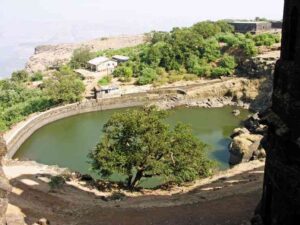
- The puja is performed at Kusha Vartha Kund Tirth Kshetra, Trimbakeshwar Mandir, Nashik.
- You receive photos, video, and prasad, shipped to you if you weren’t able to attend in person.
You can also start from our Kaal Sarp Dosh Puja service page or read more about our background.
Final Thought
Sheshnag Kaal Sarp Dosh isn’t a curse, and it isn’t nothing either — it’s a real pattern in the chart that, for some people, matches real, lived difficulty. Our job when someone reaches out for a Sheshnag Kaal Sarp Dosh Puja Trimbakeshwar consultation isn’t to frighten you into a booking. It’s to look honestly at your chart, tell you what it actually shows, and if the remedy is warranted, perform it properly — the way it’s been done here for generations, without the games some corners of this town have become known for.
If you’re unsure where you stand, call us and ask your chart questions first. That conversation costs nothing.