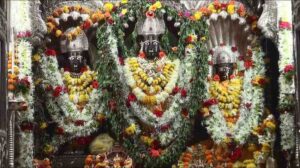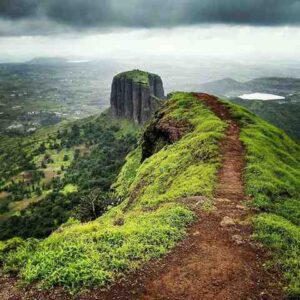

I’ve lived within twenty minutes of the Trimbakeshwar temple my whole life. My grandfather used to walk to Kushavarta Kund every Amavasya without fail, and as a kid I never really understood why. It looked like an errand to me — dip in the water, sit with a pandit for an hour, come home. It took me years, and a few conversations with my own family during a rough patch, to understand what Pitru Dosh Puja Trimbakeshwar actually means to the people who live around this town and perform it, generation after generation.
I’m writing this not as an astrologer or a priest, but as someone who has watched this ritual from the outside for thirty-odd years — as a neighbor, a temple-town local, and eventually as someone who sat through the puja himself. If you’re trying to figure out whether this ritual is relevant to your family, I want to give you the ground-level version, not the textbook one.
Nashik itself is a quiet, temple-dotted city in Maharashtra, known for its vineyards, the Godavari river, and its deep-rooted connection to Hindu pilgrimage traditions. Just a short drive from the city center sits Trimbakeshwar, one of the twelve Jyotirlingas, which is why families from across India travel here specifically for Pitru Dosh Puja Trimbakeshwar rather than performing it closer to home. For those of us who grew up in Nashik, this isn’t a tourist detour — it’s simply part of how the city has always cared for its ancestors.
The First Time I Actually Paid Attention
It was around 2019. A cousin of mine had gone through three job losses in under two years, nothing dramatic, just one bad break after another — company shutting down, a manager who didn’t work out, a role that got scrapped in a restructuring. On paper it looked like bad luck. But my aunt, who is fairly practical and not the superstitious type, quietly got his horoscope checked. The astrologer flagged an affliction to the ninth house and told her plainly: this pattern won’t resolve itself with resume tweaks alone.
That was the first time I sat in on a real conversation about Pitru Dosh instead of just watching my grandfather leave the house on Amavasya morning. And what struck me wasn’t the astrology — it was how ordinary the whole thing felt once someone explained it properly. Nobody was talking about curses or ghosts. They were talking about unfinished responsibility toward people who came before us, and how that responsibility doesn’t just disappear because a generation moved to a city or got busy.
What the Ghat Actually Feels Like on Pitru Dosh Puja Trimbakeshwar Day
If you’ve never been to Kushavarta Kund on a puja morning, here’s the honest picture: it’s not peaceful in a postcard sense. It’s crowded, there’s the smell of incense mixing with wet stone, priests are calling out names and gotras in overlapping voices, and somewhere a bell is always ringing. It took me a while to stop finding this chaotic and start finding it grounding.
What I noticed, sitting there with my cousin’s family that day, was how much the ritual forces you to slow down. You’re made to say your father’s name, his father’s name, and further back — out loud, in front of other people, in front of the priest, in front of the river. Most of us go months without saying our grandfather’s full name even once. There’s something quietly humbling about being made to do that with intention.
The rice-ball offerings, the sesame seed water, the small fire — none of it is rushed. A full sitting easily takes two to three hours, and by the end most people I’ve watched go through it look tired in a good way, the way you feel after a long, honest conversation rather than after a workout.
Signs I’ve Actually Seen in Families Around Here
I’m not going to give you a checklist copied from a pamphlet. What I’ve noticed, watching families in this town over the years, tends to cluster around a few real patterns:
- A marriage proposal that keeps almost happening and then quietly falls apart, more than once, for reasons nobody can quite pin down.
- A household where every member seems to be dealing with a different chronic health issue at the same time — not one big illness, but a scatter of small persistent ones.
- Money that comes in reasonably well but never seems to accumulate — expenses appear out of nowhere just as savings start to build.
- Someone in the family dreaming of a specific elder, repeatedly, often around the same time each year.
None of these alone means anything. But when two or three show up together across a couple of years, that’s usually when a family in Nashik starts asking a pandit whether Pitru Dosh Puja Trimbakeshwar is worth looking into, rather than just assuming it’s a phase.
Why Locals Still Choose Trimbakeshwar Over a City Priest
I get asked this a lot by people visiting for Pitru Dosh Puja Trimbakeshwar from Mumbai, Pune, or further — why not just get this done at a local temple back home? Here’s my honest answer, as someone who didn’t move away: it’s not that the ritual is impossible elsewhere. It’s that the context here does something a living room puja can’t.
You’re sitting at the source of a river that’s been part of this exact ritual for longer than anyone can date precisely. The priests here aren’t reciting something they learned from a course — most come from families that have done nothing else for generations. And there’s a strange comfort in doing this alongside dozens of other families going through the same private grief or worry, rather than doing it alone at home. I’ve seen first-time visitors who came in skeptical leave visibly lighter, not because of anything mystical happening in front of them, but because of how seriously everyone around them is taking something they’d been carrying alone.
What Nobody Tells You Before You Go
A few practical things I wish someone had told my family before our first visit:
It’s not a quick errand. Between travel, waiting for your turn, and the actual sitting, plan for most of a day, not an hour.
Bring the right names. Priests will ask for full names and gotra of as many ancestors as you can recall. It’s worth asking an elder in the family beforehand rather than guessing on the spot.
The season matters, but it isn’t mandatory. Pitru Paksha and Amavasya are considered the most powerful windows, but I’ve seen plenty of families come on an ordinary weekday because that’s when they could travel, and the pandits here don’t treat that as lesser.
Emotionally, it can hit differently than expected. A few people I know went in expecting a formality and came out having cried for the first time in years about a parent or grandparent they’d never properly grieved.
Who Actually Travels to Trimbakeshwar for This
Over the years I’ve noticed a pattern in who shows up here specifically for Pitru Dosh Puja Trimbakeshwar, rather than a puja back home. Most are families where an elder — a father, a grandmother, sometimes a family astrologer they’ve trusted for decades — has specifically told them this needs to be done at Trimbakeshwar and nowhere else. A smaller group are people who searched online, read that Trimbakeshwar is considered one of the most effective places in India for this ritual, and decided to make the trip themselves.
Both groups tend to ask me the same practical question once they arrive: is Pitru Dosh Puja Trimbakeshwar something you do once, or does it need repeating? From what I’ve seen in families here, a single, properly performed sitting is usually enough for most cases. It’s really only in the more severe or long-standing patterns — the kind an astrologer flags as spanning generations — that families choose to come back for Pitru Dosh Puja Trimbakeshwar again the following year, or commit to it annually during Pitru Paksha.
If you’re weighing whether to make the trip, my honest local advice is this: don’t overthink the “how many times.” Come once, sit through it properly with a genuine pandit, and let your own family’s astrologer guide you on whether Pitru Dosh Puja Trimbakeshwar needs to be a repeat visit or a one-time resolution.
What I’d Tell a First-Time Visitor
If someone from outside Nashik messages me asking where to even start, my advice is always the same: don’t just search “Pitru Dosh Puja Trimbakeshwar” online and book the first package you find. Spend ten minutes on the phone with an actual pandit first, describe your family’s situation honestly, and let them tell you whether Pitru Dosh Puja Trimbakeshwar is even the right ritual for what you’re dealing with — sometimes it’s a smaller Tarpan that’s needed, not the full ceremony.
I’ve also noticed that people who come prepared, having spoken to a pandit about Pitru Dosh Puja Trimbakeshwar in advance, tend to leave far more settled than those who walk in cold on the day itself. It’s a small step, but it makes the whole experience feel less like a transaction and more like what it’s meant to be — a family finally making time for something they’d been postponing for years.
My Honest Take, After Watching This for Years
I won’t tell you Pitru Dosh Puja is a guaranteed fix for a stalled career or a delayed marriage — I’m not qualified to promise that, and frankly, neither is anyone else. What I can tell you, from years of watching my own neighbors and family go through it, is that it tends to do something real at the level of a family’s collective mind: it gives people permission to stop carrying old, unspoken weight quietly, and to put it down in front of the river instead.
If your horoscope has been flagged for this, or if your family has a pattern that’s followed you for years without a clear explanation, it’s worth having an actual conversation with a knowledgeable pandit about Pitru Dosh Puja Trimbakeshwar rather than deciding based on a checklist online. Trimbakeshwar has been the backdrop to this exact conversation for more families than I can count, mine included.
Frequently Asked Questions (FAQ)
How do I know if my family actually needs Pitru Dosh Puja Trimbakeshwar?
If you’ve noticed a repeating pattern — delayed marriages, unexplained health issues, or money that never seems to settle — across more than one generation, it’s worth getting your kundli checked before assuming Pitru Dosh Puja Trimbakeshwar is the answer.
How long does a typical sitting take?
Most families I’ve seen go through Pitru Dosh Puja Trimbakeshwar spend two to three hours at the ghat itself, plus travel and waiting time — so plan for most of a day rather than a quick stop.
Is it necessary to visit during Pitru Paksha only?
No. While Pitru Paksha and Amavasya are considered the strongest windows, I’ve watched plenty of local families perform Pitru Dosh Puja Trimbakeshwar on an ordinary weekday simply because that’s when they could travel.
Can daughters or other family members perform this instead of a son?
Yes — in the families I know, daughters, nephews, and grandsons have all performed Pitru Dosh Puja Trimbakeshwar when the eldest son wasn’t available, and the pandits here don’t treat it any differently.
Does it need to be repeated every year?
In most cases a single, properly performed Pitru Dosh Puja Trimbakeshwar is enough. Only in more severe, generations-old patterns do families choose to return annually, usually on the advice of their own family astrologer.