Powerful Mahamrityunjaya Puja | Meaning, Benefits & Trimbakeshwar Guide
Mahamrityunjaya Puja is one of the most powerful and revered rituals in Hindu spirituality. Dedicated to Lord Shiva, this sacred ceremony is performed to overcome fear of death, serious illnesses, mental distress, karmic obstacles, and planetary afflictions. Rooted in ancient Vedic wisdom, the puja is centered around the chanting of the Mahamrityunjaya Mantra, also known as the Tryambakam Mantra, which is considered the supreme healing mantra in Sanatan Dharma.
Unlike ordinary prayers, Mahamrityunjaya Puja is not merely a ritual—it is a spiritual technology that aligns human consciousness with cosmic energy, invoking divine protection, renewal, and transformation.
This detailed guide explores its meaning, history, scientific significance, astrological relevance, step-by-step ritual, benefits, and best places to perform it—especially at Trimbakeshwar, Nashik, one of the most sacred Jyotirlingas in India.
🌿 What is Mahamrityunjaya Puja?
Mahamrityunjaya Puja is a Vedic ritual performed to invoke Lord Shiva as the divine healer and protector of life. The word “Maha-Mrityunjaya” means:
- Maha – Great
- Mrityu – Death
- Jaya – Victory
Thus, Mahamrityunjaya translates to “Victory over Death.”
However, this does not imply physical immortality; rather, it symbolizes:
- Victory over fear
- Liberation from suffering
- Healing of body and mind
- Spiritual awakening
- Freedom from karmic bondage
The core of the puja is the chanting of the sacred mantra:
“Om Tryambakam Yajamahe
Sugandhim Pushtivardhanam
Urvarukamiva Bandhanan
Mrityor Mukshiya Mamritat.”
This mantra is found in the Rigveda (7.59.12) and is regarded as one of the most potent divine chants in Hindu tradition.
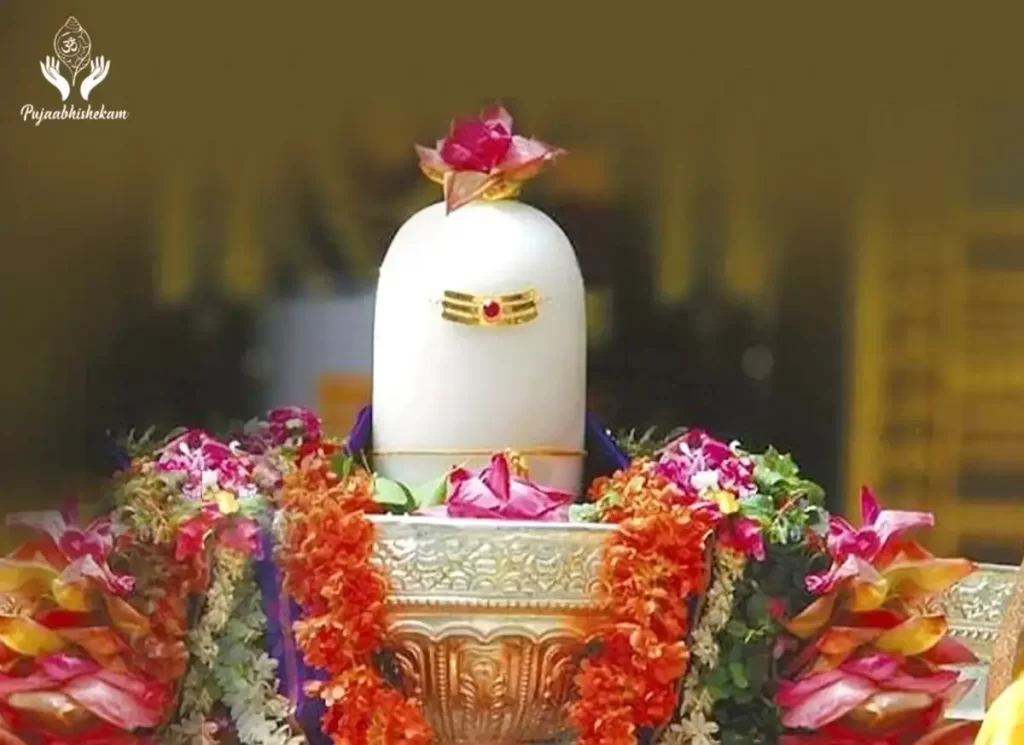
🔱 Spiritual Meaning of the Mantra
Each line of the Mahamrityunjaya Mantra carries deep spiritual wisdom:
- Om Tryambakam Yajamahe – We worship the three-eyed Lord Shiva
- Sugandhim Pushtivardhanam – Who nourishes life with divine fragrance
- Urvarukamiva Bandhanan – Like a ripe fruit detaching from the vine
- Mrityor Mukshiya Mamritat – Free us from death and grant immortality
This is not about escaping death, but about liberation from the cycle of fear, suffering, and rebirth.
📜 Historical Origins of Mahamrityunjaya Puja
The roots of this puja date back to the Vedic era. According to ancient scriptures:
- Sage Markandeya performed this mantra and puja to escape untimely death.
- Lord Shiva appeared and blessed him with a long life.
- Since then, the mantra has been regarded as a divine shield against calamities.
It is also associated with:
- Ayurveda (holistic healing)
- Tantra (spiritual energy practice)
- Jyotisha (astrology)
- Karma philosophy
🌌 Astrological Importance of Mahamrityunjaya Puja
In Vedic astrology, this puja is highly recommended for individuals facing severe planetary afflictions such as:
- Rahu–Ketu Dosha
- Saturn (Shani) malefic influence
- Mangal Dosha
- Kaal Sarp Dosh
- Pitru Dosh
- Grah Shanti issues
Astrologers often prescribe this puja when a person faces:
- Chronic illness
- Sudden accidents
- Mental anxiety
- Repeated failures
- Legal troubles
- Financial instability
- Family disputes
Performing Mahamrityunjaya Puja helps balance negative planetary energy and restores harmony in life.
🛕 Why is Trimbakeshwar the Best Place for This Puja?
Trimbakeshwar, Nashik, is one of the 12 Jyotirlingas of Lord Shiva and is uniquely associated with the Mahamrityunjaya Mantra.
Reasons why Trimbakeshwar is the most powerful place for this puja:
- It is the origin of the sacred Godavari River
- The temple houses a unique three-faced Shiva Linga (Brahma, Vishnu, Mahesh)
- The divine vibration of this place is extremely high
- Ancient sages performed penance here
- The environment naturally supports spiritual healing
Many devotees travel from across India and abroad to perform:
- Mahamrityunjaya Puja
- Kaal Sarp Dosh Puja
- Rudrabhishek
- Maha Rudra Puja
📿 How is Mahamrityunjaya Puja Performed? (Step-by-Step Ritual)
A traditional Mahamrityunjaya Puja typically includes:
1️⃣ Sankalp (Sacred Intention)
The devotee states their purpose—such as healing, protection, or spiritual upliftment.
2️⃣ Ganesh Puja
Lord Ganesha is worshipped first to remove obstacles.
3️⃣ Abhishek (Sacred Bath of Shiva Linga)
Offerings include:
- Milk
- Honey
- Ghee
- Curd
- Water
- Bilva leaves
4️⃣ Mantra Chanting
The mantra is chanted:
- 108 times
- 1,251 times
- or 11,000 times (in extended rituals)
5️⃣ Havan (Fire Ritual)
Sacred offerings are made into the fire to purify karmic energy.
6️⃣ Aarti and Prasad
The ritual concludes with divine blessings.
🌿 Scientific and Psychological Benefits
Modern research suggests that mantra chanting has measurable effects on the brain and body:
- Reduces stress hormones
- Lowers blood pressure
- Improves heart rhythm
- Enhances focus and calmness
- Balances emotional state
The rhythmic vibrations of the mantra stimulate healing frequencies in the body.
💫 Who Should Perform This Puja?
This puja is beneficial for:
- People suffering from chronic illness
- Those recovering from surgery
- Individuals with mental stress or anxiety
- Families facing repeated misfortune
- Students under pressure
- Business owners facing losses
- Couples with relationship issues
It is especially recommended during:
- Birthdays
- Eclipses
- Mahashivratri
- Shravan Month
- Pradosh days
🌍 Global Relevance of Mahamrityunjaya Mantra
In recent years, this mantra has gained international recognition among:
- Yoga practitioners
- Meditation experts
- Holistic healers
- Spiritual seekers
It is often used in:
- Sound therapy
- Chakra healing
- Mindfulness practices
🕯️ Daily Practice at Home
You can chant this mantra daily:
- Sit facing East
- Light a lamp
- Chant 108 times
- Keep a Shiva image or Linga
- Offer Bilva leaves
This builds continuous divine protection.
❓ FAQs on Mahamrityunjaya Puja
Q1. What exactly is Mahamrityunjaya Puja?
Mahamrityunjaya Puja is a powerful Vedic ritual dedicated to Lord Shiva, performed by trained priests with proper mantras, offerings, and fire rituals (havan). It is centered around the chanting of the Mahamrityunjaya Mantra, which is believed to have divine healing energy. The puja is not only for physical illness but also for mental peace, karmic cleansing, and spiritual protection.
Q2. Who should perform Mahamrityunjaya Puja?
This puja is suitable for:
- People suffering from serious or chronic illness
- Those recovering from surgery or accidents
- Individuals facing severe stress, anxiety, or depression
- Families experiencing repeated problems or misfortune
- People with strong planetary doshas like Rahu–Ketu or Shani affliction
- Anyone seeking long life, peace, and spiritual strength
There is no restriction of age, gender, or caste—anyone can perform it with devotion.
Q3. Is Mahamrityunjaya Puja only for sick people?
No. Although it is commonly performed for healing, it is also done for:
- Protection from accidents
- Career success and stability
- Removal of obstacles
- Mental clarity and confidence
- Spiritual growth and meditation
Many healthy people perform this puja as a preventive and protective ritual.
Q4. Why is Trimbakeshwar the best place for this puja?
Trimbakeshwar is one of the 12 Jyotirlingas of Lord Shiva and the origin of the Godavari River. The temple houses a unique three-faced Shiva Linga representing Brahma, Vishnu, and Mahesh. Because of its high spiritual energy, ancient sages performed intense penance here, making it the most powerful place for Mahamrityunjaya Puja.
Q5. How long does the puja take?
The duration depends on the type of ritual:
- Simple Mahamrityunjaya Puja: 1.5 to 2 hours
- Standard Puja with Abhishek and mantra chanting: 2 to 3 hours
- Extended ritual with Havan: 3 to 4 hours
Q6. Is fasting required before the puja?
Fasting is not mandatory, but it is considered spiritually beneficial. If you choose to fast, you may take fruits, milk, or light food. If you are ill or elderly, you should not force fasting.
Q7. Can women participate in Mahamrityunjaya Puja?
Yes, absolutely. Women can fully participate in the puja, chant the mantra, offer prayers, and sit in the havan. There is no religious restriction against women performing this ritual.
Q8. Can this puja remove planetary doshas?
Yes. Mahamrityunjaya Puja is widely recommended by astrologers to reduce the negative effects of:
- Rahu–Ketu Dosha
- Shani Dosha
- Kaal Sarp Dosh
- Pitru Dosh
- Mangal Dosha
It does not “change destiny” overnight but helps balance karmic energy and reduce suffering.
Q9. Can I chant the mantra at home instead of doing the puja?
Yes, daily chanting of the Mahamrityunjaya Mantra is highly beneficial. You can chant 108 times facing east, with a lit diya and Shiva image or Linga. However, a temple puja performed by priests is considered more powerful due to collective mantra energy and sacred rituals.
Q10. When is the best time to perform this puja?
The most auspicious times are:
On one’s birthday for longevity blessings
Mahashivratri
Shravan month (July–August)
Pradosh days
Mondays dedicated to Lord Shiva
Solar or lunar eclipses (with proper guidance)
🔮 Conclusion: A Path to Healing and Liberation
Mahamrityunjaya Puja is more than a ritual—it is a bridge between human suffering and divine grace. Whether performed for healing, protection, or spiritual awakening, it has the power to transform lives at the deepest level.
If you are seeking peace, strength, and divine blessings, there is no more powerful path than this sacred puja of Lord Shiva.
Mahamrityunjaya Puja is not merely a ceremonial practice—it is a profound spiritual science rooted in the Vedas, designed to uplift the human soul from fear, suffering, and uncertainty. Known as the “Conqueror of Death” mantra, the Mahamrityunjaya Mantra invokes the compassionate and protective energy of Lord Shiva in his healing form, where destruction transforms into renewal and grace.
This sacred puja acts as a divine bridge between human vulnerability and cosmic consciousness. When life is overwhelmed by illness, mental stress, repeated failures, accidents, or fear of the unknown, Mahamrityunjaya Puja offers a path of inner stabilization and spiritual protection. The vibrations created through disciplined mantra chanting, Vedic rituals, Rudrabhishek, and offerings of sacred herbs, milk, honey, and bilva leaves cleanse negative karmic imprints and restore balance to both body and mind.
Performed with devotion and proper Vedic guidance, this puja is believed to extend longevity, accelerate recovery from chronic diseases, and shield devotees from untimely dangers. Beyond physical healing, it strengthens emotional resilience, calms anxiety, and deepens one’s connection with divine awareness. For spiritual seekers, the puja becomes a gateway to self-realization, surrender, and inner awakening, aligning the soul with Shiva’s eternal truth.
Those who regularly perform or participate in Mahamrityunjaya Puja often experience a subtle yet powerful transformation—clarity replaces confusion, fear dissolves into faith, and suffering gives way to acceptance and strength. It is especially recommended during serious health challenges, planetary afflictions, life-threatening situations, or periods of intense karmic turbulence.
If you are seeking lasting peace, inner strength, protection from unseen obstacles, or divine blessings for yourself or loved ones, Mahamrityunjaya Puja stands as one of the most potent spiritual remedies available. Rooted in ancient wisdom yet eternally relevant, this sacred offering to Lord Shiva has the power to heal, protect, and guide devotees toward a life of harmony, purpose, and spiritual fulfillment.