
Nestled in the tranquil Brahmagiri Hills near Nashik, Maharashtra, Trimbakeshwar is one of India’s most revered spiritual destinations. Known as the birthplace of the Godavari River, often revered as the Dakshin Ganga (Ganges of the South), Trimbakeshwar blends mythological significance with devout traditions and scenic beauty.
This sacred town is not just a geographical location—it is a pilgrimage, a ritual hub, a historical site, and a living testament to faith that has been cherished for millennia. Whether you are a pilgrim, a history lover, or a seeker of nature and peace, Trimbakeshwar offers an unforgettable journey.
In this guide, you’ll discover what makes Godavari Trimbakeshwar special, the ancient stories behind its origin, the spiritual practices connected to it, and practical insights for your visit.
1. Trimbakeshwar – Heart of the Godavari
📍 Where Godavari Begins
The Godavari River, India’s second‑longest river after the Ganges, begins its sacred journey from the Kushavarta Kund near the Trimbakeshwar Jyotirlinga Temple in the Brahmagiri Hills.
• Reputed as the sacred source of Godavari
• Revered as Dakshin Ganga, symbolizing purity and liberation
• Central to rituals like Kumbh Mela, Pitru Pooja, and Pushkaram
The river’s origin is not merely geographic—it is bound in ancient mythology and spiritual beliefs, making it a powerful symbol for devotees across India.
2. Ancient Legends – The Story Behind Godavari’s Birth
🕉️ The Legend of Sage Gautama
The sacred origin of the Godavari River is deeply connected to the story of Gautama Rishi:
According to mythology:
- Sage Gautama accidentally killed a cow — considered a sin of great significance.
- To atone for this sin, he performed rigorous penance on the slopes of the Brahmagiri Hills.
- Moved by his unwavering devotion, Lord Shiva granted the descent of the sacred river Godavari to Earth.
- The river flowed from the hills at what is today known as Kushavarta Kund, purifying Gautama and the surrounding lands.
This legend not only explains the spiritual importance of the place but also portrays Godavari as a river of redemption and purification.
🕉️ Godavari as Dakshin Ganga
Godavari is often compared to the Ganges and called the Dakshin Ganga because it is believed to carry the same purifying energy. This is why devotees seek to take holy dips here, especially during festivals like Kumbh Mela.
3. Trimbakeshwar Jyotirlinga – Spiritual Significance
🔱 One of the 12 Jyotirlingas
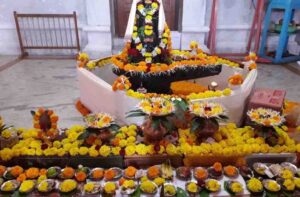
Trimbakeshwar is home to one of the twelve Jyotirlingas of Lord Shiva — highly sacred shrines where Shiva is said to have appeared in the form of a fiery column of light.
Unique features of this Jyotirlinga:
✔ It contains the three faces of Brahma, Vishnu, and Shiva in one lingam.
✔ Symbolizes the Trimurti — creation, preservation, and destruction.
✔ Represents cosmic unity and spiritual completeness.
This tripartite lingam is significant not only for Shaivites but for all devotees seeking spiritual elevation.
4. Kushavarta Kund – The Sacred River Source
🌊 A Place of Pilgrimage
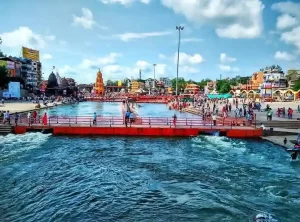
The Kushavarta Kund marks the point where the Godavari first emerges.
- Pilgrims bathe here before entering the temple for darshan.
- It is believed that bathing here cleanses sins and prepares the devotee for spiritual purification.
- Many rituals like Pitru Pooja and Pind Daan are conducted along the banks of this sacred space.
Especially during Kumbh Mela and Pushkaram, millions gather to take a holy dip here, believing that it washes away past life karmas.
5. Festivals and Rituals Related to Godavari
🌊 Kumbh Mela (Simhastha)
Trimbakeshwar plays a key role in the Kumbh Mela, which takes place every 12 years. Millions of pilgrims flock to take a dip in the sacred Godavari believing it leads to spiritual liberation.
This festival features:
• Mass pilgrimages
• Ritual baths in Kushavarta Kund
• Yajnas and Vedic chanting
• Community worship
🌾 Godavari Pushkaram
Celebrated once every 12 years, Godavari Pushkaram honors the river’s spiritual energy. Devotees perform:
✔ Holy dips
✔ River worship
✔ Pind Daan for ancestors
🔥 Shravan Somwar and Mahashivratri
- Shravan month: Mondays see special pujas and Rudrabhishek rituals.
- Mahashivratri: Night long celebration at the Jyotirlinga, with chants and ceremonial offerings.
Each of these festivals transforms Trimbakeshwar into a hub of devotion, chants, and spiritual fervor.
6. The Rituals at Trimbakeshwar
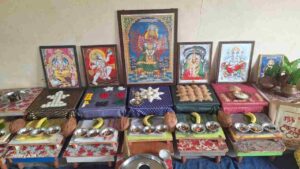
🔔 Rudrabhishek
A powerful form of worship where the Shiva lingam is bathed with:
• Water
• Milk
• Honey
• Ghee
• Sacred chants
Repeating the Rudrabhishek is believed to bring peace, prosperity, and divine blessings.
📿 Narayan Nagbali Puja
One of the most significant rituals performed at Trimbakeshwar to:
✔ Remove ancestral doshas
✔ Relieve karmic burden
✔ Bring peace to ancestors and family
This multi‑day ritual also includes Pind Daan and Tarpan which are essential for honoring forefathers.
🕉 Pitru Dosh and Tripindi Shraddha
These sacred rites are performed to honor ancestors, especially during Pitru Paksha, bringing solace to family lines and spiritual harmony.
🌟 Kaal Sarp Dosh Shanti Puja
Performed for those experiencing negative planetary influences in their horoscope. The priests conduct this ritual with chants and fire offerings to balance the planetary energies.
7. Brahmagiri Hills – Spiritual Trekking and Views
The Brahmagiri Hills aren’t just a mythological location — they are a place of natural beauty and spiritual energy.
📍 Gangadwar – River Emergence
At Gangadwar, the Godavari springs forth from rock formations. This spot is considered extremely sacred.
Visitors can:
✔ Witness the river’s source
✔ Meditate amid nature
✔ Experience breathtaking sunrise/sunset views
🌿 Trekking Experience
The trek to the top of Brahmagiri is moderately challenging and ideal for spiritual seekers and nature lovers. Along the trail, you will find:
• Natural waterfalls
• Sacred spots and temples
• Panoramic views of Nashik and valley landscapes
Best months for trekking:
✔ Monsoon: Lush and scenic
✔ Winter: Cool and pleasant
8. Spiritual Practices Along the River
💧 Holy Dips and Rituals
Bathing in the Godavari at its source is considered more spiritually potent than bathing in the river downstream. Pilgrims perform:
• Morning ritual baths
• Sunrise meditation
• Water offerings to ancestors
🙏 Meditation and Inner Reflection
The serene ambiance around the river source — with rustling leaves, slow river flow, and quiet chants — offers an ideal environment for meditation and self‑reflection.
9. Places to Visit Around Trimbakeshwar
Your pilgrimage or trip can include several significant spots around Trimbakeshwar:
🛕 Trimbakeshwar Temple
The heart of the town and the source of the Dakshin Ganga.
🌊 Kushavarta Kund
The sacred site of Godavari’s origin.
⛰️ Brahmagiri Hills & Gangadwar
The place where heaven meets earth.
🏞️ Anjaneri Hills
Believed to be the birthplace of Lord Hanuman — another major pilgrimage spot.
🦴 Pandavleni Caves
Ancient rock‑cut Buddhist caves near Nashik.
🌿 Trimbak Town
Bustling markets with Rudraksha beads, puja items, and local handicrafts.
10. How to Reach and Travel Tips
🛣 By Road
Trimbakeshwar is located about 28‑30 km from Nashik city.
Frequent buses and private taxis connect Nashik bus stand to the temple town.
🚆 By Train
The nearest major railway station is Nashik Road Station, well connected to major Indian cities.
✈️ By Air
Nashik Airport (Ozar) is the closest airport, with flights from major hubs.
🚕 Local Transport
Shared autos and taxis are available from Nashik and Trimbak.
Travel Tips
✔ Start early in the morning to avoid crowds.
✔ Carry a water bottle and light snacks during treks.
✔ Dress modestly for temple visits.
✔ Respect local customs around sacred spots.
✔ Pre‑book rituals and accommodations during festival seasons.
11. Cultural Experiences & Local Life
Trimbakeshwar is not just a spiritual place — it’s a living cultural kingdom.
• Local markets sell handmade Rudraksha necklaces
• Temple festivals feature traditional music and chants
• Small eateries serve authentic Maharashtrian cuisine
Try dishes like:
✔ Misal Pav
✔ Pithla Bhakri
✔ Maharashtrian thali
✔ Local sweets like Shrikhand
These local experiences deepen your connection to the culture and traditions of the region.
12 Frequently Asked Questions (FAQs) – Godavari Trimbakeshwar
Q1: What is Trimbakeshwar and why is it important?
Answer:
Trimbakeshwar is a sacred town in Nashik, Maharashtra, located in the Brahmagiri Hills. It is one of the twelve Jyotirlingas of Lord Shiva and the origin of the Godavari River. The town holds immense religious, spiritual, and cultural significance. Pilgrims visit to perform rituals, take holy dips in the Kushavarta Kund, and participate in festivals like Kumbh Mela, Pushkaram, and Mahashivratri.
Q2: What is the significance of the Godavari River at Trimbakeshwar?
Answer:
The Godavari is called Dakshin Ganga, symbolizing purity and spiritual cleansing. Its source at the Kushavarta Kund is believed to be divinely created by Lord Shiva at the request of Sage Gautama. Bathing in the Godavari here is believed to wash away sins, bring spiritual merit, and is essential for rituals such as Pitru Pooja and Shraddha.
Q3: What are the major festivals celebrated in Trimbakeshwar?
Answer:
Trimbakeshwar hosts several festivals that attract pilgrims nationwide:
- Kumbh Mela (Simhastha) – Every 12 years; millions bathe in the Godavari.
- Mahashivratri – Night-long worship at the Jyotirlinga with chants, Rudrabhishek, and rituals.
- Godavari Pushkaram – Once every 12 years, dedicated to river worship.
- Shravan Somwar – Special Monday rituals during the Shravan month.
- Pitru Paksha – Ancestor rites, Pind Daan, and Tarpan on the riverbank.
Q4: What types of pujas and rituals are conducted in Trimbakeshwar?
Answer:
Trimbakeshwar is a ritual hub offering a wide range of ceremonies:
- Rudrabhishek – Bathing the Shiva Lingam with milk, water, honey, ghee, and chants.
- Narayan Nagbali Puja – Multi-day ritual to remove Pitru Dosha and karmic burdens.
- Tripindi Shraddha & Pitru Pooja – Ancestral rites performed on riverbanks for spiritual merit.
- Kaal Sarp Dosh Shanti Puja – Astrological ritual to balance negative planetary effects.
- Maha Rudra Yagna – Fire ritual invoking Lord Shiva’s blessings for health, peace, and prosperity.
These rituals are performed by trained priests and require either advance booking or special arrangements for specific muhurats.
Q5: What is the best time to visit Trimbakeshwar?
Answer:
- October–March: Pleasant weather, ideal for temple visits, treks, and sightseeing.
- Monsoon (June–September): Misty hills, flowing waterfalls, and scenic trekking.
- Festival times: Mahashivratri, Kumbh Mela, or Pushkaram for experiencing vibrant rituals and spiritual energy.
Q6: How can I reach Trimbakeshwar from Nashik?
Answer:
- By Road: 28–30 km from Nashik city; taxis, private cars, or buses are available.
- By Train: Nearest station is Nashik Road Station, well connected to major cities.
- By Air: Nashik Ozar Airport is the closest airport.
- Local transport includes taxis, shared autos, and buses.
Q7: Are there trekking opportunities near Trimbakeshwar?
Answer:
Yes. The Brahmagiri Hills and surrounding landscapes offer trekking opportunities for beginner and intermediate hikers. Highlights include:
- Gangadwar: Point where Godavari emerges
- Panoramic views of Nashik valley
- Small temples and sacred spots along the trail
Recommended time for trekking: Monsoon to winter (July–February).
Q8: Can families and elderly people visit Trimbakeshwar?
Answer:
Absolutely. The temple and town are family-friendly, with accommodations and lodges nearby. While treks are optional, elders and children can enjoy temple visits, river rituals, and cultural sightseeing. Pilgrims are advised to take frequent breaks during festivals or hot weather.
Q9: Are there accommodation options in Trimbakeshwar?
Answer:
Yes. Options include:
- Pilgrim lodges and dharmashalas – Budget-friendly, near temple areas.
- Hotels and resorts in Nashik city – 30–40 minutes away, providing comfort and modern amenities.
- Vineyard resorts – Combine spiritual tourism with luxury experiences near Nashik.
Q10: What should I keep in mind while visiting Trimbakeshwar?
Answer:
- Respect local customs and temple rules.
- Dress modestly; cover shoulders and knees during temple visits.
- Carry water, snacks, and sun protection for treks or festival visits.
- Pre-book pujas, Rudrabhishek, or Narayan Nagbali ceremonies during peak seasons.
- Avoid trekking during heavy rain or monsoon landslides.
Q11: Is photography allowed in Trimbakeshwar?
Answer:
- Photography is allowed in outdoor areas, but inside the Jyotirlinga sanctum, it is restricted.
- During festivals, photography may be limited to maintain ritual sanctity and crowd safety.
Q12: Can pilgrims perform rituals for ancestors?
Answer:
Yes. Trimbakeshwar is a major center for ancestral rituals, including:
- Pind Daan – Offering to ancestors to ensure spiritual well-being.
- Shraddha – Conducted during Pitru Paksha or any auspicious muhurat.
- Tarpan – Ritual offering of water to ancestors for peace and moksha.
Priests guide pilgrims on procedures, mantras, and rituals.
Q13: What makes Trimbakeshwar spiritually unique?
Answer:
Deeply intertwined with mythology, culture, and natural beauty.
Birthplace of the Godavari River, symbolizing purity and liberation.
One of the 12 Jyotirlingas, featuring a rare Trimurti Lingam.
Center for rituals, Kumbh Mela, and ancestral pujas.
Surrounded by serene Brahmagiri Hills, sacred Kunds, and trekking paths.
Conclusion – A Journey Beyond Pilgrimage
Trimbakeshwar is not just a destination — it is an experience of divine grace, spiritual purification, and cultural immersion. From the sacred origin of the Godavari to the mysticism of the Jyotirlinga, from rituals that honor ancestors to festivals that unite millions, every visit is a step closer to inner peace and deeper faith.
Whether you seek spiritual transformation, mythological wisdom, or simply the serene beauty of India’s sacred geography, Godavari Trimbakeshwar awaits with open arms and blessings that transcend time.