
Trimbakeshwar and Godavari – A Story From Someone Who Has Lived Here 30 Years
The Trimbakeshwar Godavari river connection is something I’ve grown up with — I’ve lived in Nashik for the last 30 years, and this river and temple have always been part of my life. It’s not just a temple town to me — it’s a place I’ve grown up around, visited during festivals, and taken my own family to. Let me tell you about the Trimbakeshwar Godavari river story the way I know it, in simple words, not the textbook way.
Where the Trimbakeshwar Godavari River Begins
Trimbakeshwar is a small town near the Brahmagiri hills, about 28-30 km from Nashik city. What makes it special is that this is exactly where the Trimbakeshwar Godavari river journey starts. Yes, the same Godavari that flows for hundreds of kilometers across Maharashtra and beyond — it is born right here, in these hills.
People here call it “Dakshin Ganga,” meaning the Ganga of the South. Just like people up north believe the Ganga washes away sins, we believe the same about our Godavari. During big events like Kumbh Mela, lakhs of people come here just to take a dip in this water.
The Old Story Behind the Trimbakeshwar Godavari River
Every local person here has heard this story from their grandparents. There was a sage named Gautam Rishi who, by mistake, caused the death of a cow. In our old beliefs, this was considered a big sin. To make up for it, he did years of penance right here on the Brahmagiri hills.
Lord Shiva was pleased with his devotion and brought the river down from the heavens for him — and that’s how the Trimbakeshwar Godavari river came to be, according to our old stories. The place where the river first appeared is called Kushavarta Kund, and it’s right next to the temple. Even today, people take a bath there before going in for darshan.
The Temple Itself
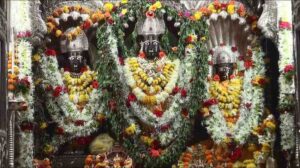
The Trimbakeshwar temple, right beside the Trimbakeshwar Godavari river, is one of the 12 Jyotirlingas of Lord Shiva this is a big deal for Shiva devotees, there are only 12 such temples in the whole country. What’s unique here is that the shivling has three faces on it, representing Brahma, Vishnu, and Shiva together. You won’t find this combination anywhere else, and it’s part of why the whole Trimbakeshwar Godavari river area feels so spiritually charged.
Festivals I’ve Seen Growing Up
Kumbh Mela – This happens once every 12 years, and I still remember the crowds. The whole town changes completely — lakhs of pilgrims, saints, akhadas, everyone comes to take a holy dip in the Godavari here.
Mahashivratri – This is the night everyone stays awake near the Trimbakeshwar Godavari river. There’s chanting, abhishek all night long, and the whole temple area is full of devotees.
Shravan Mondays – Every Monday in the Shravan month, there’s special puja here. Locals and outsiders both come for this.
Pitru Paksha – Many families come here specifically to do rituals for their ancestors, like Pind Daan and Tarpan, along the banks of the Trimbakeshwar Godavari river.
These aren’t small, quick poojas some take a full day or even multiple days, and people usually book in advance, especially during festival season, when the Trimbakeshwar Godavari river area gets very crowded.
The Poojas People Come Here For
Over the years I’ve seen people come from far just to get specific poojas done near the Trimbakeshwar Godavari river:
- Rudrabhishek – bathing the shivling with milk, honey, ghee, water, along with mantras.
- Narayan Nagbali Puja – a multi-day ritual, people say it removes ancestral problems (pitru dosh).
- Kaal Sarp Dosh Puja – for people whose horoscope shows a certain planetary problem, this puja is done to balance it out.
- Tripindi Shraddha – another ritual for peace of ancestors.
These aren’t small, quick poojas — some take a full day or even multiple days, and people usually book in advance, especially during festival season.
Beyond the Temple – Nature Around Us
What people from outside don’t always know is that this area is also beautiful for trekking. Brahmagiri hill has a trek that takes you to Gangadwar, the actual spot where the river comes out from the rocks. It’s a moderate trek, nothing too tough, and the view from up there is something else — especially during monsoon when everything is green and there are small waterfalls everywhere.
Winter is also a nice time to visit, cool weather, good for walking around.
Other Places Nearby Worth Seeing
If you’re coming to Trimbakeshwar, don’t just do the temple and leave. Nearby you have:
- Anjaneri hills – believed to be where Hanuman ji was born.
- Pandavleni caves – old Buddhist caves carved into rock, near Nashik city.
- Trimbak town market – good place to buy rudraksha and puja items, and just walk around near the Trimbakeshwar Godavari river.
How People Usually Reach Here
Most people come from Nashik city by road, it’s a short 30-40 minute drive by car or shared taxi. If you’re coming from outside Maharashtra, Nashik Road railway station is the nearest big station, and Nashik’s Ozar airport is the closest airport.
A Few Things I’d Tell Any Visitor
- Come early morning if you want to avoid the crowd, especially on weekends.
- Dress simply, cover your shoulders and knees, it’s a temple town after all.
- Carry water and some snacks if you’re planning the trek.
- If you want a specific pooja done, especially Narayan Nagbali or Kaal Sarp Dosh, book it in advance. During festival season it gets very busy.
- Try the local food while you’re here — misal pav, pithla bhakri, or a simple Maharashtrian thali. Nothing fancy, but it tastes like home.
Why This Place Means So Much to Me
I’ve lived here three decades, and honestly, every time I visit the temple or walk near the Kushavarta Kund, it feels the same as the first time. This isn’t just a tourist spot for us locals — it’s part of our everyday life, our festivals, our family rituals. If you ever visit, I hope you feel even a small part of what this place means to the people who call it home.
Frequently Asked Questions (FAQ)
Is Trimbakeshwar the same as the source of the Trimbakeshwar Godavari river?
Yes. The Godavari starts right here in the Brahmagiri hills, near the Trimbakeshwar temple. The exact spot is called Kushavarta Kund, right beside the temple.
How far is Trimbakeshwar from Nashik city?
About 28-30 km, roughly a 30-40 minute drive. Shared taxis and buses run regularly from Nashik.
What is Kaal Sarp Dosh Puja and do I really need it?
It’s a ritual done for people whose horoscope shows a specific planetary combination (called Kaal Sarp Yog). Whether you “need” it depends on your belief and what your family astrologer/pandit has told you — a lot of people come here specifically for this puja because Trimbakeshwar is known for it.
How many days do I need for a Trimbakeshwar trip?
One full day is enough if you just want temple darshan and Kushavarta Kund. If you want to add the Brahmagiri trek and nearby places like Anjaneri hills, plan for 2 days.
Can I do the Brahmagiri trek in one day?
Yes, most people finish it in half a day. It’s a moderate trek, not too tough, but wear proper shoes and carry water.
Do I need to book pooja in advance?
For regular darshan, no. But for specific rituals like Narayan Nagbali, Kaal Sarp Dosh Puja, or Rudrabhishek, yes — especially during Shravan month, Mahashivratri, or Kumbh season when it gets very crowded.
What should women wear for temple entry?
Simple, modest clothing — saree or salwar suit is common. Avoid shorts or sleeveless tops, same for men.
Are outsiders (non-Hindus or foreigners) allowed inside the temple?
The main sanctum has some restrictions, and rules can change from time to time, so it’s best to check locally or ask the temple authorities on the day.
Is Trimbakeshwar crowded during Shravan month?
Very. If you don’t like crowds, avoid Mondays in Shravan and try a weekday visit instead.
What is the best season to visit?
October to March is most comfortable for temple visits and walking around. Monsoon (June-September) is beautiful for the trek and waterfalls but can get slippery.
Where can I stay near Trimbakeshwar?
There are simple dharamshalas and lodges right in Trimbak town, or you can stay in Nashik city (30-40 min away) if you want more hotel options.